
At its core, domiciliary care is easy to understand. It comes from the root word “domicile”, meaning “place of residence” or “home”, and as the name suggests, it’s care given to a person in their home which is why it’s also known as home-based care. This is different from sending a person to a care home or care facility, both of which involves them leaving their home to receive the care they need. Having said that, domiciliary care is often misunderstood, so we’ve put together a guide to cover as much as we can about what you need to know about domiciliary care.
What Is Domiciliary Care?
As we’ve already said, it’s home-based care given to anyone who needs care or support because of an illness or disability.
It is a highly flexible and adaptable form or care that is supposed to be planned around specific needs that your loved one has, and it is delivered by a specially-trained caregiver . Because of this, no two instances of domiciliary care look the same.
Domiciliary care can be temporary or permanent, targeted to a specific condition or just general support, and it can occur for a short period of time or scale up to 24-hour live-in care. It takes on different forms depending on a person’s needs.
Having said all of that, we have to say that what makes domiciliary care really special is how it gives people the extra freedom, agency and comfort that comes from being able to continue living in their own homes. That might sound like a small thing, but they don’t say “there’s no place like home” for no reason.

What Does Domiciliary Care Entail?
As we’ve mentioned already, domiciliary care is a highly flexible form of care that gets moulded into the form that fits the shape of your life. Having said that, there are some things that are usually included in any care package.
While a professional caregiver is not a housekeeper, assistance with light household tasks is a common service provided as a part of domiciliary care and can involve cooking or meal preparation.
More important are the personal care and medication management services that are a standard part of domiciliary care. Personal care involves things like bathing and dressing assistance, toileting assistance and help with grooming and oral care. Medication management involves providing general oversight over the way that your loved one is taking their medication and helps to ensure that medication is being taken correctly and consistently.
Dementia care and end-of-life care are specialised care services that can also be provided under domiciliary care. A real advantage that this type of care brings is the greater freedom and sense of familiarity and comfort that comes from your loved one being able to stay at home rather than going to a care facility or entering residential care.
There are also care services that can be given to young people with mental or physical disabilities. This type of care given with the aim of maximising their lives, and can involve help with education, transport and facilitating socialising, among other things.
Domiciliary care can also entail a range of more specialised forms of care, such as wound care , tracheostomy care ,stoma care , cancer care and care for complex health conditions. Of course, each of these kinds of domiciliary care services are tailored suit the particular condition that your loved one faces.
Who is Domiciliary Care For?
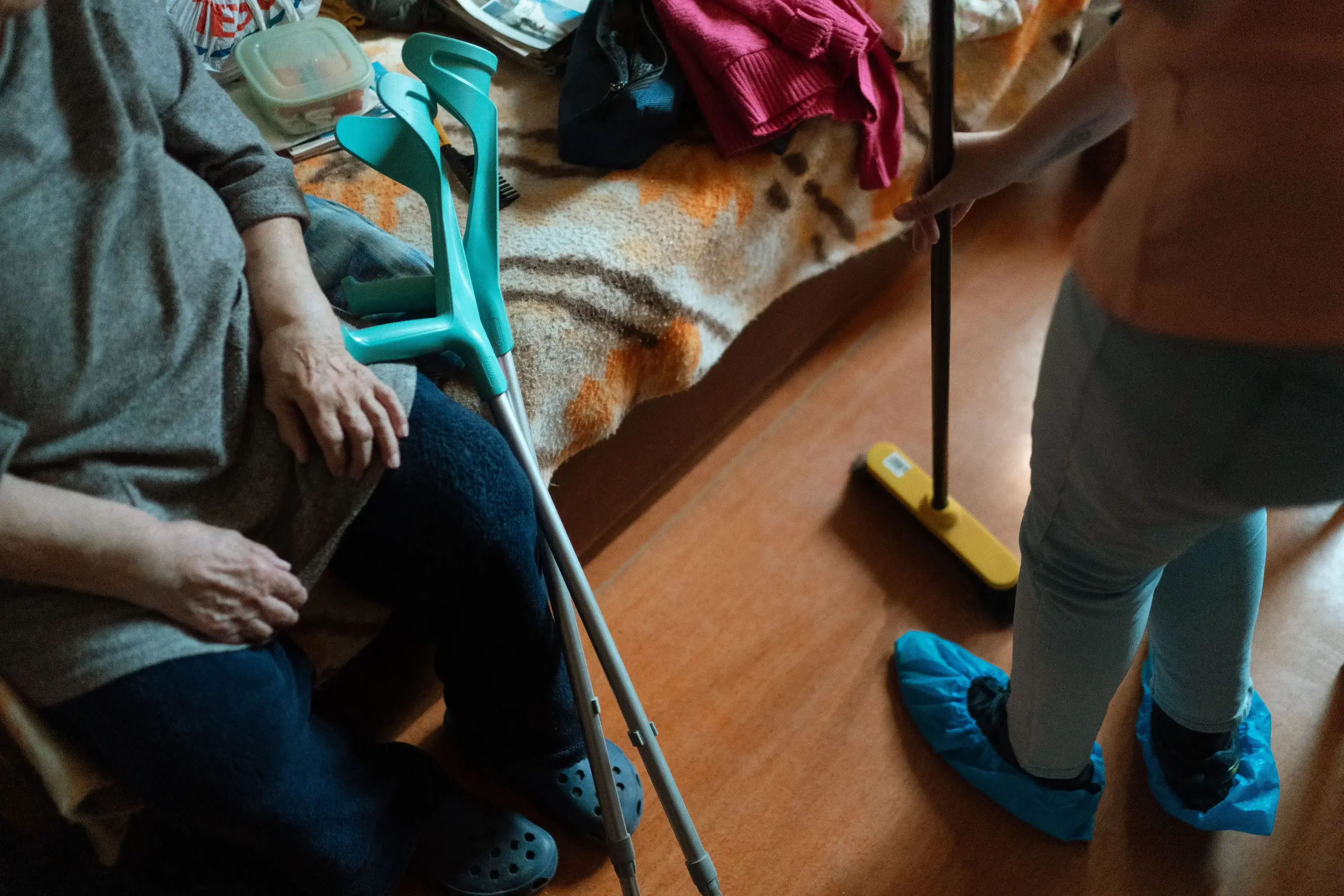
In short, domiciliary care is for anyone who wants to stay at home while receiving the extra care they need. People sometimes think home-based care is only for the elderly, but that’s a misconception.
Home-based care is an important approach for the elderly, it’s true, but it can be (and is) provided to anyone, really (though not every home-based care provider provides care to every age group). As we’ve already mentioned, young people with disabilities, whether physical or mental, can also receive domiciliary care.
However, there are two broad categories of people for whom home-based care is very useful and important:
- 1. People needing temporary care and support while they recover from hospitalisation, an injury or serious illness.
- 2. People needing long-term care and support , including people with chronic illnesses, progressive conditions and disabilities (though this includes much more).
Most importantly, perhaps, domiciliary care is vitally important for people who want to live as independently as possible but would be sent to a step-down facility or a care home if domiciliary care services didn’t exit.
How to Arrange Domiciliary Care?
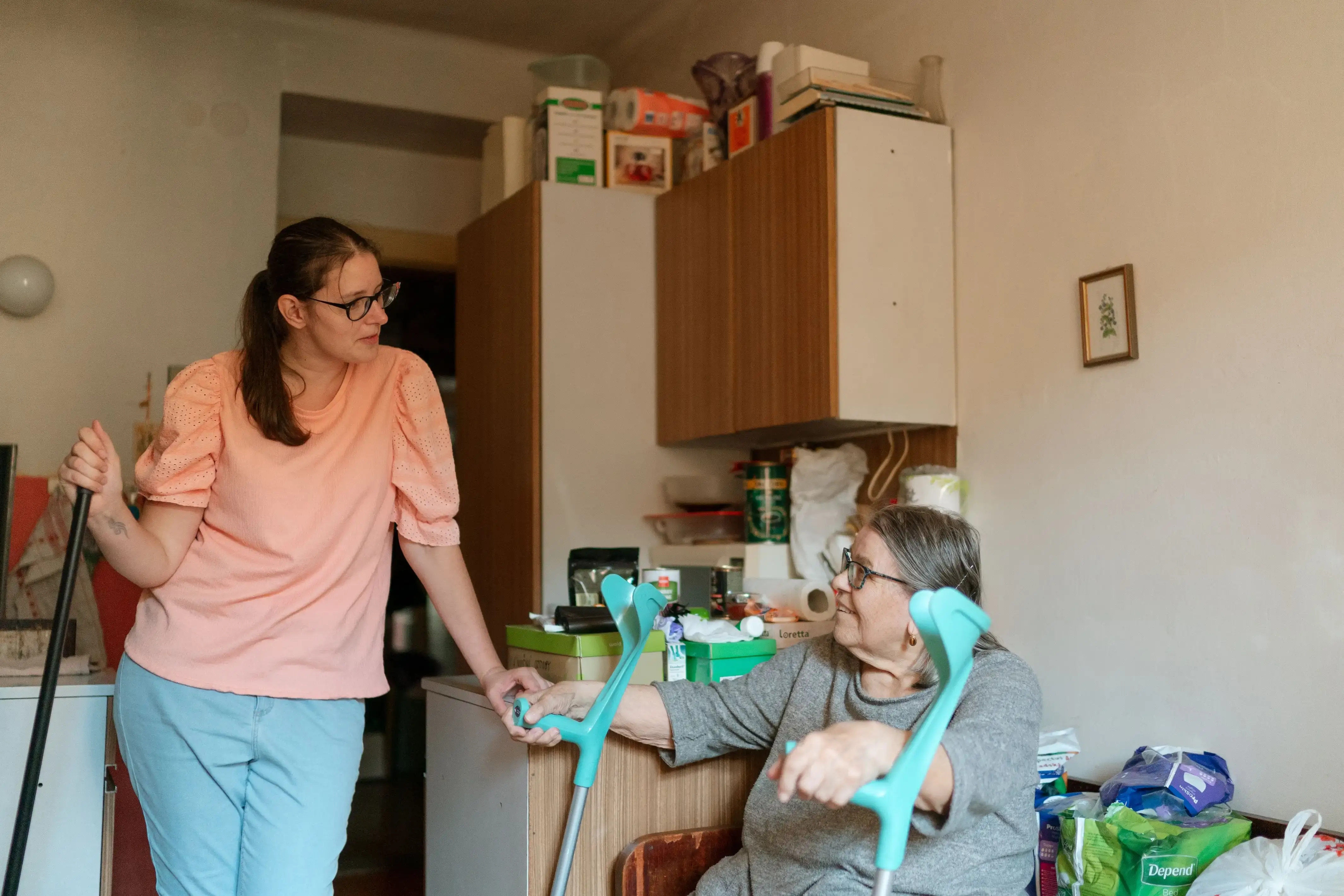
Arranging domiciliary care involves two separate things. On the one hand, there is the business of finding a domiciliary care provider. On the other hand, there is the matter of finances.
Finding a care provider seems like the simpler of the two tasks on the surface, but because there are so many options available, it’s easy to be paralysed though choice. As much as we stand by the proven quality of our services, we recommend speaking to your loved one’s physician, listening to people’s reviews and recommendations, and making sure that you ask all the questions of the potential options that you can. Above all of that, you can speak to the NHS and look at a provider’s Care Quality Commission status.
Financing domiciliary care can be complex. Of course, it’s straightforward if you simply have the means to pay for it yourself and pay privately. However, if you need funding, it can be difficult to understand the various options and – really – it requires a whole separate article to get your head around it completely.
Because of that, we actually recommend speaking to someone directly to get advice. You can reach out to us , and we will gladly run you through it, but you can also contact your local council, the NHS or your physician. They will be able to point you to the right person to talk to or explain it themselves.
Apart from that, you will also need to have a potentially difficult conversation with your loved one. It can be difficult for them to accept that they need care and support, so a gentle and patient, yet honest and open approach is needed. You can read about our recommendations about how to go about having that conversation here .

Domiciliary Care Is a Compassionate Choice
As daunting as entering domiciliary care can be (especially when you’re helping a loved one), it is well worth the effort. We’ve seen so many people be far happier and more comfortable and settled than they otherwise would have been. And there are benefits to the family as well. Being able to visit and knowing that their loved one is safe and cared for in the comforting setting of home brings its own peace of mind as well.
Frequently Asked Questions
1. What is Mega Nursing and Care’s CQC status?
We have a “good” rating with the Care Quality Commission , which means that our service is performing well and meeting the expectations of the commission.
We are also TDDI accredited with the CQC. TDDI stands for the Treatment of Disease, Disorder and Injury. You can find a fuller explanation of what this entails on the CQC website , but, in short, it refers to our caregivers’ ability to act quickly to provide fast medical interventions ASAP rather than having to stand by while they wait for emergency services to arrive.
2. What is the actual process of organising domiciliary care with you?
We do this in consultation with you and your loved one. Once you contact us,
we get all the necessary medical information about your loved one, as well
as all the other information about them (as an individual) that we need.
After that, we visit their home to conduct an interview and assess their
home for care needs. At that point, we sit down with you and your loved one
to find out what they want and need, and from there, we have all the
information we need to put a care plan together.
We only finalise the care plan when everyone is satisfied that the plan
addresses your loved one’s situation and is feasible.
3. What happens if my parents’ health situation changes?
The care plan changes to fit the new situation. It’s as simple as that. We make our care plans knowing that situations change and that they will need to be adapted to fit the situation as it evolves. In fact, one of the things our caregivers specifically do is monitor the changing state of your loved one’s health and needs so that they can be proactive about suggesting changes to best support your loved one.
4. Do you provide domiciliary care throughout the UK?
Unfortunately, we do not. We provide domiciliary care (including live-in care) in a variety of locations in the UK, namely Bedfordshire, Gloucestershire, Hertfordshire, Northamptonshire and Oxfordshire.










.png)