The Discharge to Assess (D2A) model gets people out of hospital as soon as possible, and (usually) into the comfort of their homes much faster than the traditional approach to assessment. We think that’s a great thing, and not just because no-one wants to spend a minute longer in hospital than they need to.
Having said that, the D2A approach is unfamiliar to many people, so we thought we’d put together a guide to help you understand the different pathways your loved one (or you) can be put on when you are discharged under this model.
Before we look specifically at each pathway, however, we want to make a few things clear.
First, this home first discharge approach will never see your loved one discharged from hospital if they are not well enough to be discharged. Only people who are medically stable are placed on the D2A pathways. No-one who still needs hospital care will be thrown out.
The D2A approach is about discharging people and then assessing their needs are assessed, not discharging people before they’re ready.
Second, the approach is good for both the person getting discharged from hospital and for the ability of the NHS to provide care to people who desperately need a hospital bed.
It’s good for your loved one leaving hospital because people tend to recover better at home, but also because the quicker discharge means that there is less chance of them picking up an infection in hospital.
There are four D2A pathways that your loved one can be released into. When your loved one is well enough and stable enough to be released, hospital staff will look at their condition, so they are placed onto the correct path.
Remember, they go home and then their new ongoing care and support needs are assessed.
Pathway 0 is for people who are fully independent and do not need any new formal care or support in their recovery. They can go home without any further assessment and get back to their life as per usual.
This category can apply both to people who have no formal care or support in their lives or people with existing care or support. As long as there are no new care needs and the status quo can remain at home, they are released onto this pathway.
You could imagine someone who had to have their tonsils removed as an example of someone who would fit into this category.
Similarly, if you have a loved one who receives domiciliary care, and the support of your loved one’s caregiver is enough for them to return home without any changes to their life, they will be placed onto this pathway.
It’s estimated that about 50% of people who are discharged fit into this category.
Pathway 1 is for people who can go straight home but will require a new support package or additions to their existing care and support package.
This pathway is usually temporary and is designed to get your loved one back to their original way of life within a month or so.
Imagine that your loved one is being discharged from hospital after a procedure, with the assessment then taking place at home within 72 hours. During this assessment, the assessment team determines that a short-term programme of physiotherapy is necessary to support their recovery, but no other interventions are needed.
It doesn’t have to be a physiotherapy regimen, of course. It could be that your loved one will temporarily need some domiciliary care or an increase in the frequency of the number of visits by their caregiver. The point is that they get to return home quickly, with some extra support.
This home first discharge gets people back into their lives quickly and has been shown to have no negative side-effects.
Approximately 45% of people who come out of hospital go onto this pathway.
A person is set on D2A pathway 2 when it is simply not safe for them to return home, and temporary reablement care is needed before they can return to their normal place of residence and way of life. This 24-hour care is supposed to be short-term.
Pathway 2 looks like this:
It’s important to note that your loved one’s long-term needs may change on their pathway and they are not guaranteed to return to the exact way of life that they enjoyed previously.
Typically, your loved one will have access to a therapist and social worker on Pathway 2, and it can be a good idea to encourage your loved one to take advantage of their services to prepare them for the path ahead.
About 4% of people discharged from hospital find themselves on this pathway.
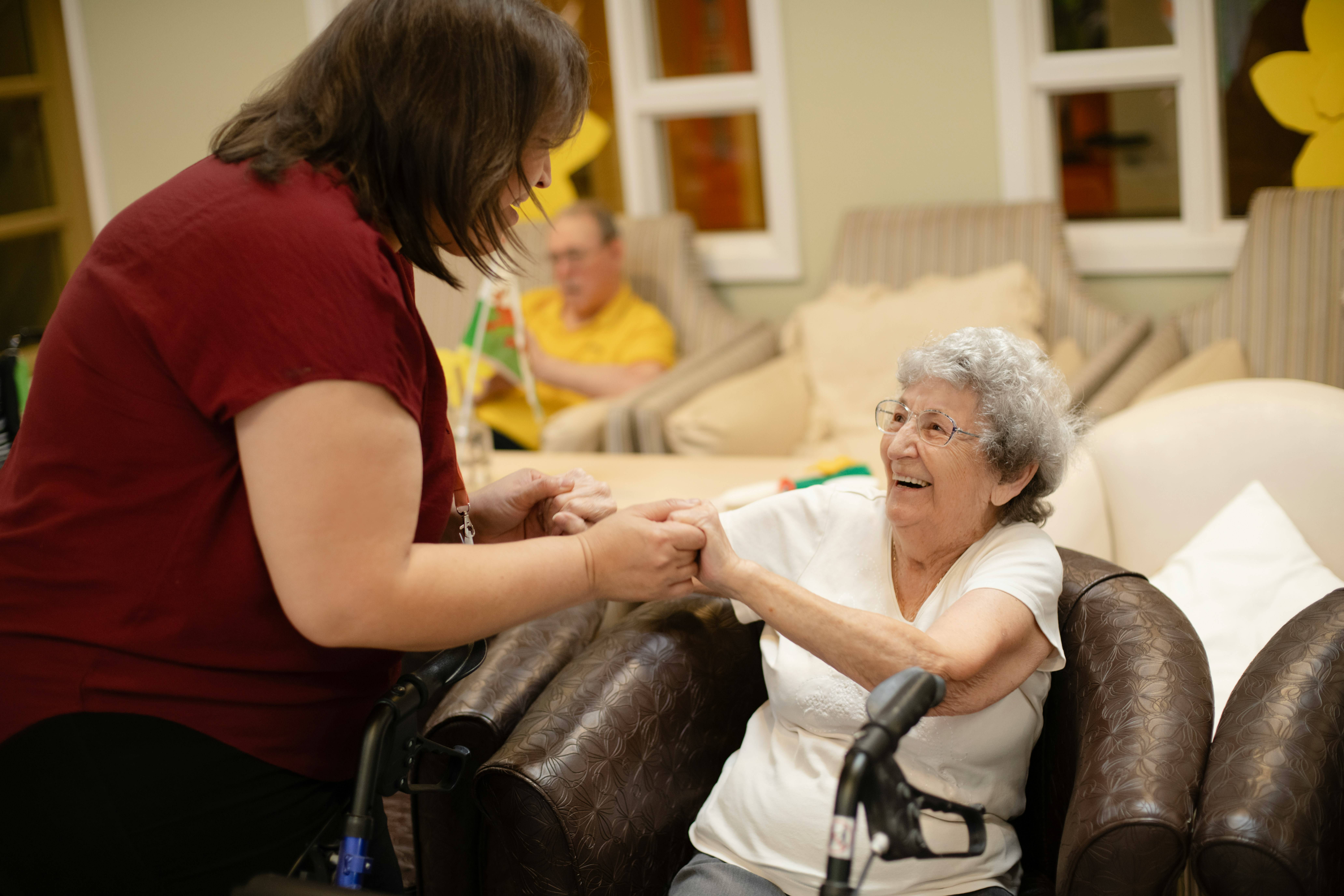
Pathway 3 is for people with complex care needs after discharge, and it is usually a path that people are only put on when it is doubtful that they will be able to return to their old way of life and are more likely to require long-term 24-hour care.
If your loved one is placed on this track, they will be discharged to a care home, and it is likely that they will need to remain in the care home (unless you choose 24-hour live-in care).
Palliative and end-of-life care is common on this pathway.
An example of this pathway is a person with advanced dementia being discharged. Because of the dementia and new support requirements, it is unlikely that they will be able to return home. As a result, this person is placed in a care home.
About 1% of people discharged from the hospital are put on this pathway.
If you have more questions about each of the D2A approach, please reach out to us. We have a specialised D2A service that conducts highly competent assessments on people discharged under this approach, so we have the expertise to answer all your questions.
We can also answer all your questions about funding, as well as lay out your options in relation to home-based support, from simple domiciliary care, to complex 24-hour live-in care.
The D2A method’s real strength is that it stops discharge being an overly simple process, and eases people back into their lives with more accurate assessment being spread out in more realistic settings.
Additionally, it gets people home faster, which has several benefits, from reducing hospital costs to the fact that people are more comfortable and recover better at home.
No. The NHS-funded D2A service covers four weeks (sometimes it can be extended to six weeks) of rehabilitation, reablement and care.
Private D2A services are not paid for by the state, and work alongside the funded period or after it to fill the gaps and add extra cover that the NHS doesn’t provide to ensure that your loved one gets the care that they need.
A private D2A service sits alongside or after that funded window. We work alongside and in partnership with the local council as a critical service provider to the NHS.
Yes! We recently launched our D2A service and are excited to offer this important service. We have specialised teams ready to work with you and the rest of your health team to give you the best possible path to recovery.
We typically work with people who are to be put onto Pathway 1 and aim to dispatch our assessment team for a preliminary assessment on the first day, with the carers arriving on day two. On day three, the initial assessment is confirmed, and we continue providing care until handover to the appointed NHS care provider takes over.
This depends on what service you want from us. Our transitional D2A service arrives on day 1 with the initial assessor, and then the carer arrives on day 2.
This is a transitional D2A service that mobilises quickly to smooth and speed up the transition to NHS-funded D2A care.
If you’re interested in a private caregiver from us as well, we offer very fast response times, though this might be slowed somewhat with the need to collaborate with the NHS D2A service provider.
Normally, however, we start the process with you on the same day you contact us, and then go through the interview, assessment and collaboration process within a few days.
Our service is limited to the areas in which we have offices, namely Bedfordshire, Gloucestershire, Hertfordshire, Northamptonshire and Oxfordshire.
Nevertheless, we are happy to take your calls if you are outside those areas to provide advice so you can move in the right direction to get the help you need.
We're here to support you every step of the way. Whether you have questions about our services or need assistance in finding the right care for your loved one, our compassionate team is ready to help.
We understand that this journey can be challenging and we're committed to providing you with the information and support you need.






.png)