
If you have a loved one with dementia, you may have noticed that they sleep a lot more than they used to, especially during the day. You aren’t alone if you’ve picked up that your loved one is sleeping A LOT. In fact, it’s one of the most commonly asked questions by people who have a loved one suffering from dementia
Because we provide care to many people with dementia, as well as support to their families, we know that hidden behind the question “why?” are a few other related questions, like “Is it normal?” and “Do I have to worry about it?”
The short answer is that it’s normal for people with dementia to sleep during the day more than people without dementia because dementia damages the brain. It’s also normal for people with dementia to sleep A LOT during the day in the late stages of dementia. So if you’ve noticed your loved one sleeping more, it’s usually a sign of the dementia progressing.
However, excessive sleep during the daytime, especially during the early stages of dementia and if it suddenly becomes a pattern, could indicate that something is going on. If that’s the case, you would do well to speak to your loved one’s health specialist.
Basically, it there’s a change in your loved one’s patterns of behaviour, you should speak to your loved one’s health specialist.
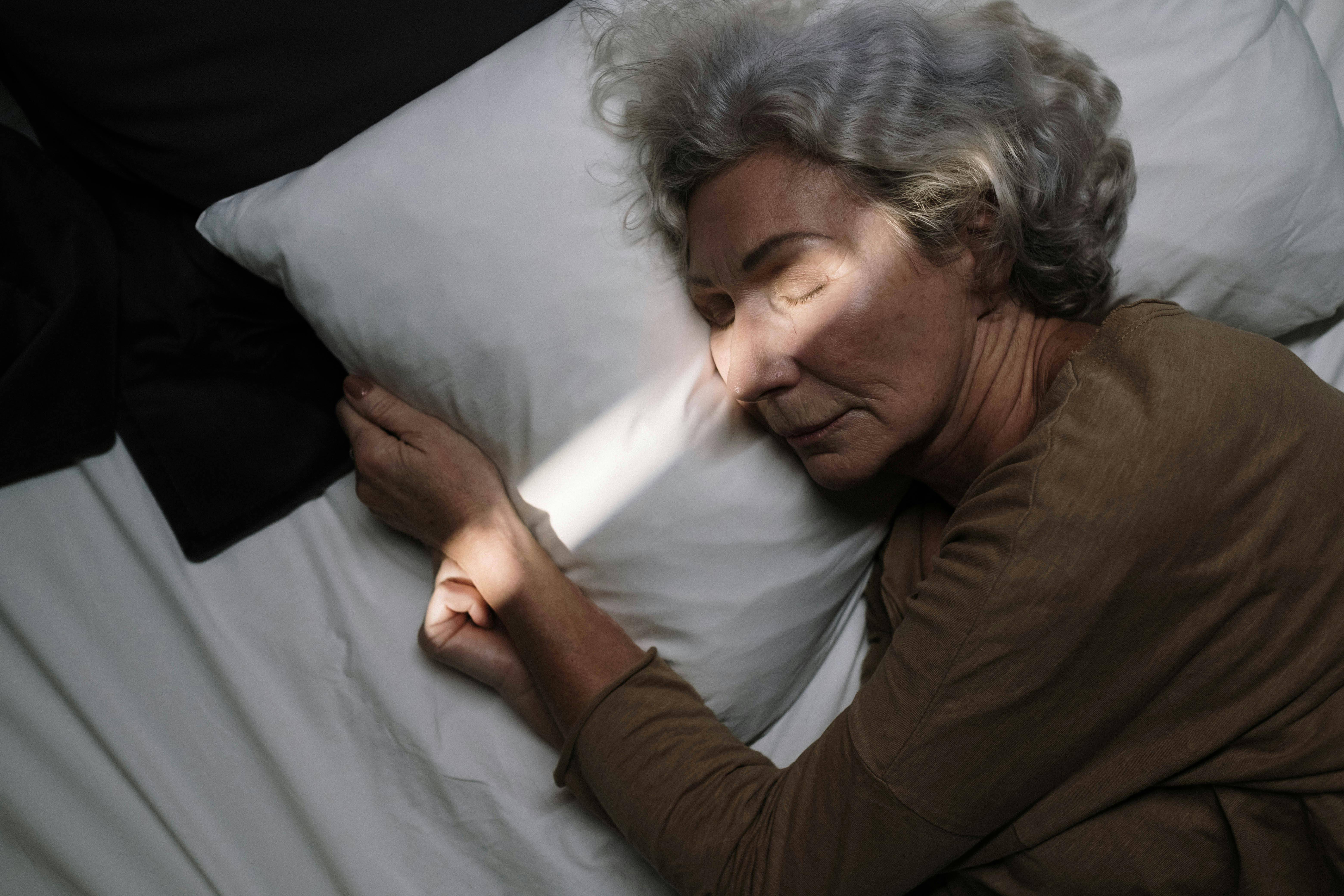
As we said, increased sleep in people with dementia is a common symptom of dementia itself and tends to increase as the condition progresses. However, it’s worth knowing why that this happens so you can better understand your loved one’s condition.
The most obvious reason is that dementia affects the brain and can cause degeneration in the areas of the brain that affect sleep. This is especially noticeable in late-stage dementia as the neurological damage becomes more pronounced.
Beyond this, the damage to the brain also makes even simple tasks far more difficult than they used to be which means that everyday things cause fatigue in people with dementia surprisingly quickly.
Another reason that a person with dementia might sleep a lot during the day is that they aren’t sleeping well during the night, so they end up sleeping from fatigue during the day.
This can happen either because the effects of dementia have caused your loved one’s ‘body clock’ to be flipped, or because your loved one is too inactive during the day because of the limitations placed on them by dementia, and so they don’t build up the sleep pressure necessary to fall asleep during the night.
There are other reasons that a person with dementia might have poor night sleep: frequent bathroom visits and disorientation or confusion can seriously disrupt sleep and lead to a significant amount of time spent awake at night.
This is one of the reasons why 24-hour, live-in care is a good idea for people with dementia. A person with dementia may not be able to remember that they didn’t sleep well, but a professional caregiver will quickly pick this up and help to mitigate the factors that lead to poor night sleep.
Exercise and staying as active as possible are also good ways to help mitigate poor night sleep, and, again, this can be facilitated by a full-time caregiver.
Certain medication just has the side effects of making a person drowsy or sleep more. If this is a side effect and you are worried that your loved one is spending an excessive time sleeping, it is probably worth speaking to your loved one’s health specialist so that they can try to mitigate the side effects, either by adjusting the dosage or changing to different medication.
Certain medication just has the side effects of making a person drowsy or sleep more. If this is a side effect and you are worried that your loved one is spending an excessive time sleeping, it is probably worth speaking to your loved one’s health specialist so that they can try to mitigate the side effects, either by adjusting the dosage or changing to different medication.
So if your loved one has an additional condition, the combined conditions are probably responsible for your loved one sleeping a lot, but it’s always worth speaking to your loved one’s health specialist to get clarity from them.

As we have seen, people with dementia sleep more than you might expect, and it’s probably a normal part of the progression of the condition.
However, if you notice a sudden change, or the sleeping gradually gets to the point at which your loved one is practically always asleep, the best course of action is to notify your loved one’s health specialist so they can advise you.
As we have seen, people with dementia sleep more than you might expect, and it’s probably a normal part of the progression of the condition.
However, if you notice a sudden change, or the sleeping gradually gets to the point at which your loved one is practically always asleep, the best course of action is to notify your loved one’s health specialist so they can advise you.
Apart from that, it’s a good idea to encourage and help your loved one stay as active as possible during the day and take part in activities that keeps them moving. Scheduling walks or gardening into the daily schedule are two examples of activities that could help.
But one of the best things you could do for your loved one is organise a professional caregiver to observe and support your loved one. Not only does their training equip them to give you advice when you’re concerned about something (like the amount of time your loved one sleeps), but they can also identify problems, help make the nights less disruptive and identify anything that your loved one’s healthcare specialist needs to be made aware of.

If your loved one has dementia, and you haven’t organised home-based dementia care yet, consider reaching out to us.
Whether you need a caregiver now, or you know your loved one will need a carer later, or you just need to talk to people who can understand your situation, we would welcome the conversation.
We care, and our mission is supporting people like you and your loved one.
We can offer care support in Bedfordshire, Gloucestershire, Hertfordshire, Northamptonshire, and Oxfordshire.
You reach out to us and we have a conversation about the situation. We come to you to conduct an on-site visit and create the personalised care plan in consultation with you and your loved one. Once everyone is happy, care can begin whenever you need it.
Yes. We provide the level of care that is needed and adapt to the changing needs of your loved one. You can start with visitation care and move to live-in care as the situation changes and vice vera.
Simply put, it depends on your loved one’s needs. It varies from person to person.
We're here to support you every step of the way. Whether you have questions about our services or need assistance in finding the right care for your loved one, our compassionate team is ready to help.
We understand that this journey can be challenging and we're committed to providing you with the information and support you need.











.png)