
One of life’s cares that nothing can adequately prepare you for is watching your parents grow older and worrying about their wellbeing. This is especially true when you start suspecting that a parent (or both of them) needs a bit of support, but you don’t want to impinge on their freedom and sense of independence, and they keep telling you that everything is okay. It’s difficult to know what to do next or what to look out for.
Have Relaxed Conversations about Future Care
Honestly, one of the best things you can do is to start relaxed and non-threatening conversations about the options for care and support in the future before they really need it. This means that you can frame it as a “future” thing that you’re preparing for now so that you can get their thoughts and input ahead of time. This lowers the stakes of the big conversation when it eventually needs to be had because the conversation has already been started.
Additionally, if you get it right, it means that you are in a position to enquire about their health and well-being more than you otherwise would have been able to.
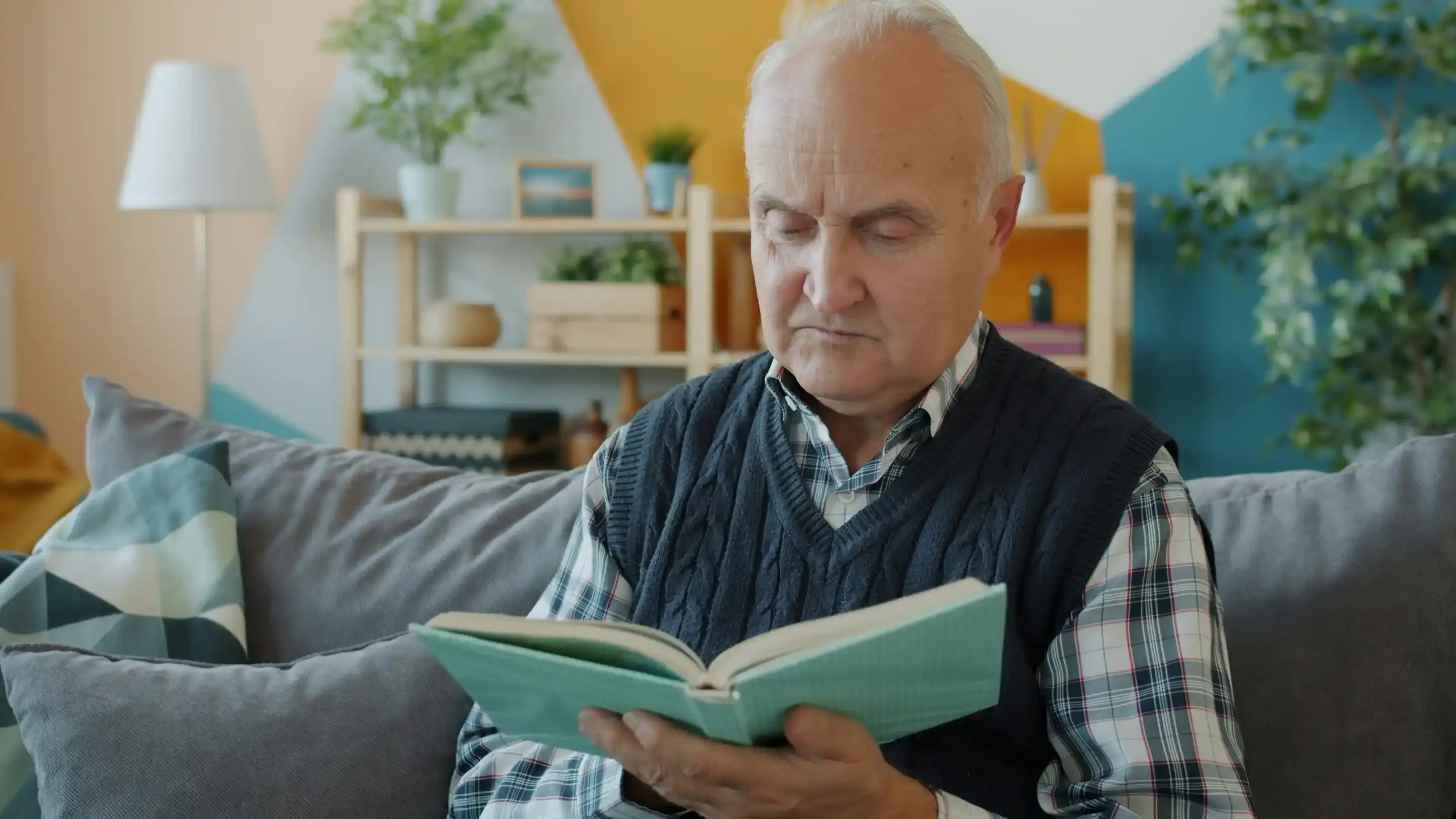
Why Parents Stay Silent
Having said that, you need to know what to look out for, because starting the conversation doesn’t mean that they will necessarily open up about the difficulties they’re having.
There are a number of reasons for this.
Parents often don’t want to be a burden to their children and still view their roles as providers and protectors. A lifetime of shielding their children from their own troubles and difficulties can be hard to break.
Over and above that, no one likes to get old and admit that their body and mind are in decline, and it can be embarrassing to admit to some of the difficulties they face.
Then there’s the common fear that people have that they will end up in a care home with limited agency and freedom.
Knowing this is useful because it can help you approach your parents in the right way, as well as help you to be mindful that you need to really watch you parents so that you can pick up any telltale signs that they need the extra help.
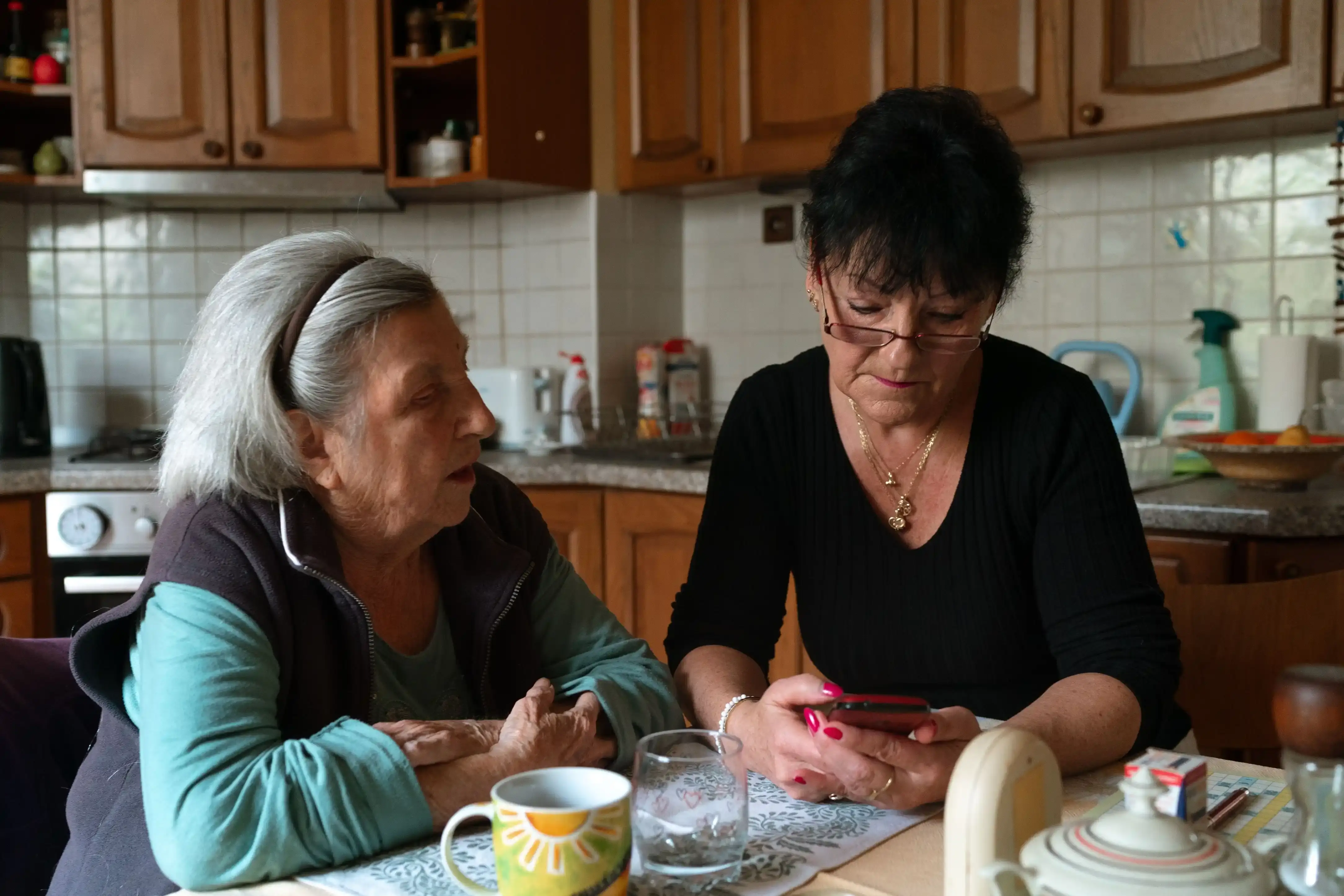
Look for Change
Of course, we should say that there is no single clearcut thing that you can look for in your parents. You really cannot know for sure whether they actually need help.
If you become worried when you visit them, it really could simply be a bad day for them, or, they might be doing poorly but hide it remarkably well when you’re around.
Nevertheless, watching and listening to them can give you a strong indication that the time has come for some extra support and the conversation about that.
The number one thing you need to do is to watch and look for change. Of course, people change all the time, but some change provides a clear indication that something is going on and that your parents need support.
Look Personality and Behavioural Changes
This is a wide topic, we know, but if something about the way your parents treat you or others has changed, and their personality has shifted somewhat, that is something to take note of.
The advice that is often given is to look for signs of depression or a lack of interest in hobbies and past times. For example, you would want to take note of your mum suddenly being negative about everything, or your dad stopping his Friday round of golf.
This is very good advice, and you should absolutely pay attention to things like that.
However, the changes can often be a bit more subtle, and if you come away from visiting your parents thinking, “Dad just wasn’t himself today,” it’s worth making a mental note of it. If he’s back to his normal self the next time, great! But if you realise that you often feel that there’s something off (even if you can’t put your finger on it), it’s really worth following up on.

Look for Physical Decline
This is something that can be observed and come up in conversation, but if you notice that your parents are going out less, moving more slowly and deliberately or have some accidents or near falls, that can be a sign that they’re getting to the stage where they need some support.
Look for Cognitive Changes
People always point to memory loss as something to look out for, and you absolutely should look out for it. It’s a telltale sign that things are not right (when it becomes a pattern – some memory loss is normal with age).
However, if you notice that their ability to reason or express themselves clearly is diminishing, again, that’s something to take note of.
You might see this in simple things like noticing that the crossword or sudoku that was always complete is untouched or only partially done. You might pick it up when in conversation and your previously very decisive mum can’t seem to make a decision easily, or in any number of other things.
The point is, pay attention to their cognitive state.

Look at the State of the Household
Now, we know that not everyone is exceptionally neat, but it your parents, who always had a fastidiously clean and tidy home, slowly seem to put less effort into this and you notice a lack of order in their home, that very often is a clear sign that they aren’t managing by
themselves. Perhaps all they need is a housekeeper a few times a week, but even that is a sign that home-based care is something that they will need soon.
This doesn’t only apply to those who normally kept a very neat home. You know your parents and what things are typically like. If there’s a change, that’s something to pay attention to.
Look for Changes to Personal Hygiene and Care
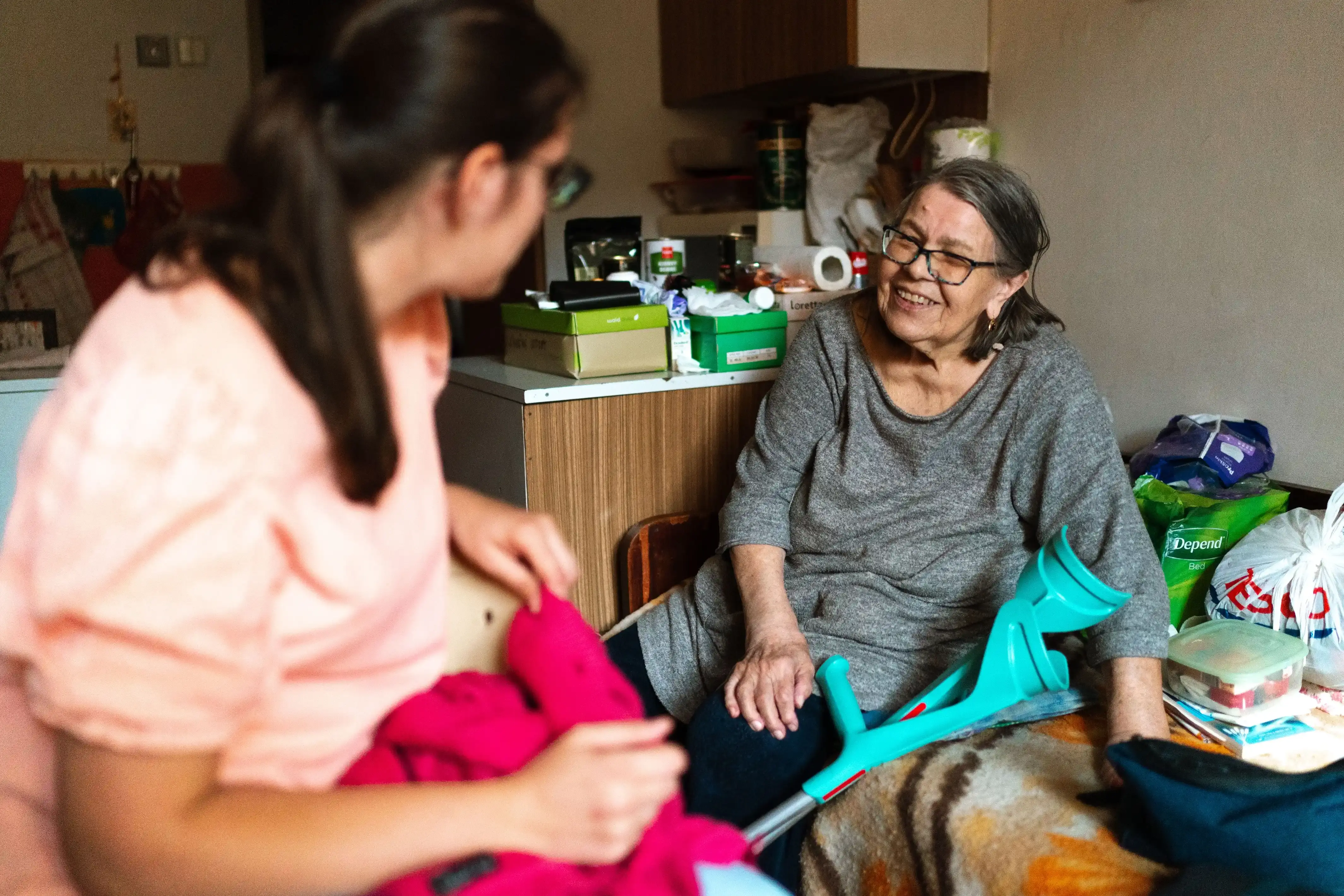
This is an awkward one, but if you notice that there is a clear change in the way that they look after themselves, from your dad mentioning that he forgot his medication “again” to noticing that his hair, which is normally neatly combed is typically no longer kept neatly, these changes can signal that domiciliary care and support is needed.











.png)