We’re continuing our series to uncover the meaning of some of the jargon in the healthcare and medical fields. This week, we want to look at “domiciliary care”, something that is absolutely central to what we do.

“Domiciliary” comes from the word “domicile” (and domus, if you know your Latin) which means “place of residence”.
Thus, “domiciliary care” is a form of care that is given in a person’s home rather than care given in a care home, hospital or other care facility.
It can take a few different forms:
So domiciliary care is home-based care, but when it comes to professional home-based care, there are a variety of forms that this can take.
The reason that home-based care takes such a wide range of forms is that domiciliary care really should conform to your loved one’s situation and meet their needs. That’s the approach we take, and we stand by it because no situation is exactly the same.

You may wonder, “Why should we choose domiciliary care?”
We say: Why not? It’s your choice. Apart from the greater flexibility that it gives your loved one to determine how they live their lives, it allows them to continue living in their own home.
The benefit of remaining at home really cannot be understated. The tie we feel to home is made up of several powerful threads that are not severed without acute pain. The time spent there and memories accumulated are powerful and root and nourish us.
That’s why having your loved one’s care needs met at home is so beneficial. Apart from the excellent medical care they get, their souls are fed by the comfort of home.
As they say, there really is no place like home.
But the flexibility and independence of domiciliary care as opposed to moving to a care home (with all of its restrictions and regulations) is freeing and can promote your loved one’s ability to really LIVE life.
There’s something invigorating about hosting friends or family, going for a walk or simply looking around and seeing the flashbacks of past happiness. That just cannot be captured anywhere else.
Another aspect that can be forgotten is that people are often forced to give up a beloved pet when moving into a care home, but when you choose domiciliary care, your loved one can keep their dog, cat or whatever animal companion they have such strong bonds with.
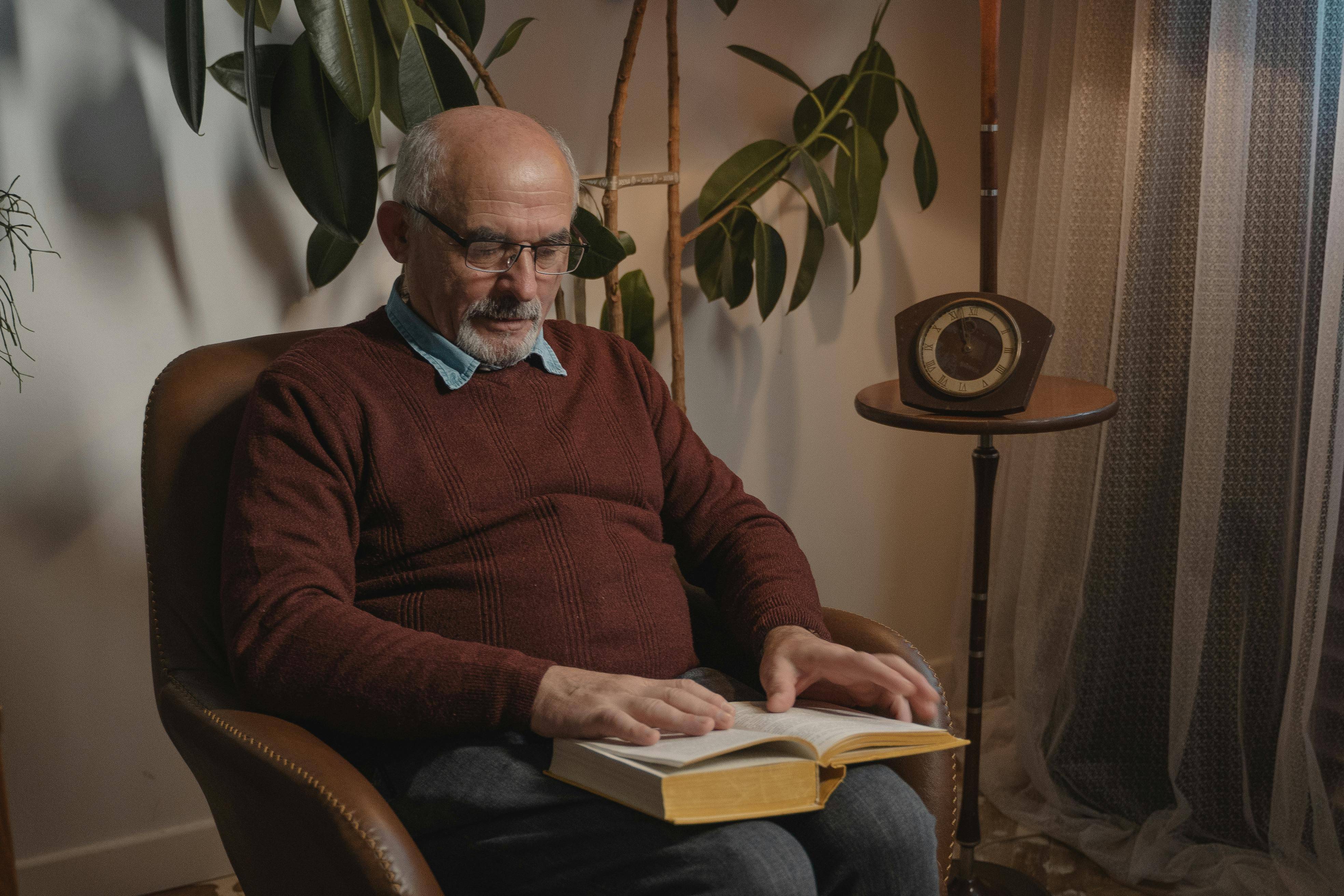
People often assume that home-based care is more expensive than a care home, but that often isn’t the case. For one thing, if your loved one needs short-term care support or weekly or daily visits, domiciliary care can be significantly cheaper.
When it comes to more intensive care needs, even when your loved one needs 24-hour care, it’s not necessarily true that care homes are more cost effective, especially when you take into account the broader picture.
If you want more information on the cost, you can reach out to us or look at this article in which we explored the cost of 24-hour home-based care against care homes.
Domiciliary care enables your loved one to get the support and care they need without being displaced and having their lives unnecessarily disrupted.
It takes a variety of forms and can be adapted to almost any situation and allows a significant level of autonomy and independence, which makes it a versatile and empowering option for those requiring care.
If you have a loved one starting to require care, or you just need occasional help in meeting a loved one’s needs when you have to take some time out or deal with life’s business, get hold of us today and we can have the conversation to give you more information or start the process of hooking up your loved one with the care they need.
We can offer care support in Bedfordshire, Gloucestershire, Hertfordshire, Northamptonshire and Oxfordshire.
Yes. We offer complex care and we are also registered with the CQC for Treatment of Disease, Disorder or Injury (TDDI) which means we are able to go beyond basic personal care and can offer medical interventions.
Yes. Again, this is something that we have extensive experience with, and we provide ongoing care and support for many wonderful people with dementia and Alzheimer’s.
Simply put, it depends on your loved one’s needs. It varies from person to person.
We're here to support you every step of the way. Whether you have questions about our services or need assistance in finding the right care for your loved one, our compassionate team is ready to help.
We understand that this journey can be challenging and we're committed to providing you with the information and support you need.









.png)