You just have to look at medication inserts to see that plain language and health care don’t seem to gel naturally. Technical language is slung around in a confusing and bewildering manner in the medical and healthcare sectors which can leave people on the outside feeling lost when they deal with healthcare, either their own or others.
This is not a situation we want.
We are a company that prides itself in being made up of people who are highly-trained and skilled, and who are on top of the latest medical advances, but we don’t expect that of the people to whom we provide care. As a truly nurse-led company, we understand that it’s our job to provide holistic care and to help bridge any knowledge gap that may exist.
So, in this blog, we want to explore complex care with you in a way that is easy to understand.
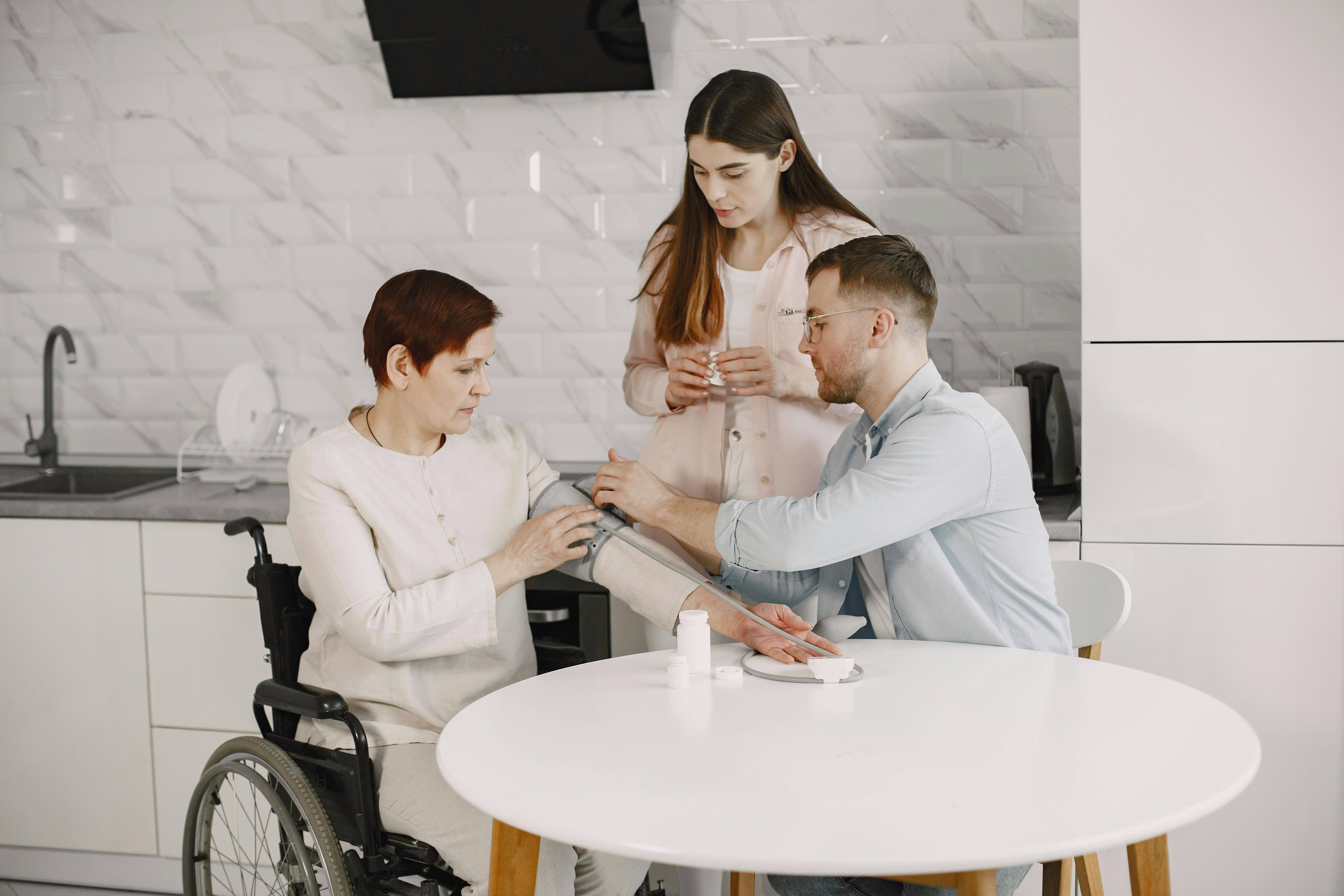
The short answer is that complex care is a form of support for people with multiple long-term or chronic conditions.
One or more of these conditions may be severe and require highly technical care that makes it difficult for the person’s sole support to be a close family member.
It’s also important to note that complex care doesn’t only involve medical conditions. Very often, a person needing complex care has a combination of medical, behavioural and social needs that require a significant level of oversight and support.
We should also say that complex care is a co-ordinated support system that is made up of a multi-disciplinary care team. It’s holistic by nature and the complex care plan is drawn up in consultation with you, your loved one, and your loved one’s health specialists’ input so that your loved one’s individuality, dignity and desires are incorporated in the way that their care needs are met.
Basically, as you will have picked up already, complex care tends to be needed by people when they have care needs that span several domains at the same time (like having behaviour struggles as well as health conditions) or are made up of several serious health conditions. Having said that, there are many situations that fit this description. We’ve been deliberately broad about that because there are just so many situations that could demand complex care.
Another thing to consider is that when conditions are progressive in nature, complex care is often required at some point, even if it isn’t needed initially because of the way that a person’s needs and challenges can develop.
Thus, if a person’s situation can be described in this way, they probably need complex care. We’ll touch on this later, but it’s also important to note that complex care from specialist care providers is needed necessary because the level and complexity of care required is too much for family and friends to meet.
An example of someone needing complex care is an elderly person facing the normal effects of old age but also coupled with advanced dementia as well as diabetes and high blood pressure. The complex medical and care demands in this situation, especially if the dementia has caused significant behavioural challenges and changes means that it goes beyond straightforward care and requires specialist complex care support.
Another example that would probably require complex care is when someone suffers from both Parkinson’s and dementia. On a basic level, the multidisciplinary needs are obvious. Physiotherapy, which also requires exercises to be done outside of specific contact sessions with the physio, is a standard part of Parkinson’s care, and if you consider the potential effects of dementia on top of it, complex care is almost certainly required to help the person in question live their life as meaningfully as possible.
However, complex care isn’t always needed by someone with long-term or chronic needs. An elderly person with some health conditions who has had to have significant surgery of some kind may well need complex care in the short term to help them manage their recovery.
We should also say that although we’ve mentioned the elderly in relation to complex care on a few occasions, complex care is not limited to older people. A person can need complex care at any age, from infancy onwards to adult complex care. It’s the complexity of the situation and combination of circumstances that determine whether complex care is needed.
People in situations like this require a high level of consistent care from people with expert training and clinical expertise, and it often needs to be around the clock. Typically, this is far more than a family member, friend, or even an entire family can give for a loved one.
That’s why nurses and caregivers with specialist training and expertise are needed to provide the day-to-day care for a person who requires complex care. Of course, the other medical specialists involved in your loved one’s life are part of the complex care landscape, but the day-to-day stuff is handled by the caregiver or nurse.
Our approach is nurse-led, which means that clinical oversight is provided by a highly proficient nurse, and we ensure that only those with the skills and compassion, as well as the experience, provide this sort of care.
Sometimes families decide to put their loved ones into a nursing home, but we believe in home-based care because of the advantages it brings (see the FAQs below) and live-in care is an excellent solution for a person needing complex care.
Complex care will look different from person to person because each scenario and Situation is different, especially when complex care is needed.
Because of that, complex care should involve a bespoke care plan that is set up with input from the care provider, your loved one’s medical specialists, your loved one themselves and you (their family) so that the appropriate care is given to meet your loved one’s individual needs.
These care plans have to be flexible and be adapted as your loved one’s situation volves.
Domiciliary complex care can involve regular visits every day up to 24-hour live-in care. The important underlying principle is that your loved one is closely monitored, gets the appropriate level of support, all while maintaining and promoting their dignity. This means that nurses and caregivers need to be sensitive to the individual and their situation.
For example, if your loved one is taking advantage of receiving live-in care by having you and a few other family members around for some quality family time, a caregiver might withdraw to be on hand for any care needs that arrive, but give your loved one the space to properly enjoy some privacy with their family.
Co-ordination between the care team and your loved one’s health specialists is also an essential part of complex care, and that means that free and clear communication is always required.
A Compassionate approach is also an essential feature of complex care.
The care given should also be focussed around promoting the flourishing of the individual receiving care. We believe that the people we care for should be empowered to live the fullest life possible and that space must be given for them to simply enjoy life.

If you think your loved one needs complex care, you can get advice from their health specialists, but ultimately, the decision is yours and we know you will feel the weight of the decision.
We recommend doing your research and writing down a list of your needs and desires that a care provider will need to fulfil.
Ultimately, you’re wanting to find an organisation that has the experience, capacity and appropriately-skilled personnel to provide the level of care your loved one needs. Reputation can help with this, but it isn’t everything.
We are confident in our compassionate, nurse-led approach, and we’d love to have a conversation with you to answer your questions and discover how we could help your loved one meet their complex care needs
Care, after all, is our calling.
We can offer care support in Bedfordshire, Gloucestershire, Hertfordshire, Northamptonshire, Oxfordshire and surrounding areas.
We’ll keep this short here, but essentially home-based care creates the possibility for more focussed one-on-one attention from the professional caregiver, which means that your loved one is more closely observed. Additionally, there is reduced disruption to their lives by removing the need for moving, and your loved one gets to continue enjoying their own home with the sense of familiarity, comfort and security that comes from being surrounded by their own space (and all the embedded memories there).
Independence and dignity is promoted, and a greater degree of flexibility and self-determination is promoted because of the freedom that home-based care brings. This is especially noticeable in that your loved one can maintain their regular lifestyle and everyday rhythms of life.
You can look at our complex needs page for more information or contact us for more information.
Yes. We provide the level of care that is needed and adapt to the changing needs of your loved one. You can start with visitation care and move to live-in care as the situation changes and vice vera.
Simply put, it depends on your loved one’s needs. It varies from person to person.
We're here to support you every step of the way. Whether you have questions about our services or need assistance in finding the right care for your loved one, our compassionate team is ready to help.
We understand that this journey can be challenging and we're committed to providing you with the information and support you need.










.png)