If you have a loved one who has a terminal illness or who is nearing the end of their life, you will know that it’s a difficult time them, you and those close to them. There is a whole interwoven set of practicalities that arise and need to be addressed, from medical concerns and pain management to dealing with the grief of the nearing of the end. It’s painful and it’s difficult, and no-one and no family should go through it alone, and that’s why end of life care exists. But what is end of life care (practically) and how does it meet the needs of the people receiving it?
What Is End of Life Care in the UK?
The simple definition of end of life care is that it’s the kind of care that is provided for people in the last months or years of their life.
There’s no easy way to say this, but is given to people who are expected to die within 12 months, though that is always impossible to accurately predict.
This covers people in a variety of situations, from the young with a terminal illness to the elderly who are very frail and likely to die.
End of life care provides medical support, of course, but also goes far beyond that, and also aims to provide emotional, practical, social and spiritual support, depending on what the person who is dying needs. However, when done properly, it also takes into account the emotional wellbeing of the close family who suffer along with their loved one.
While it is sometimes possible that the person receiving end of life care recovers, the purpose of end of life care is to help people live as well as possible until they die by helping them to live as comfortably and with as much dignity and agency as possible.
What Does End of Life Care Look Like?
End of life care provides support in several areas: medical, emotional, social spiritual (if wanted) and familial. That means the care that is given addresses all those areas.
Practically, end of life care looks slightly different from person to person, because, especially when it is provided by an expert home care company like Mega Nursing and Care , the end of life care plan will be completely customised to meet the specific needs of your loved one and your family.
Having said that, there are several things that are typically found in end of life care, especially when this is care for the elderly.
End of life care relies heavily on coordination across the various medical specialists who are caring for your loved one so everyone aware of how your loved one’s condition is progressing, how they are responding to medication, and so on. In this way, end of life care is multidisciplinary, and a good home care service will act as a sort of central communicative hub because of how often they see your loved one.

End of life care is also focussed on reducing pain and managing symptoms, which involves medication and support with managing and taking medication, but also involves constant monitoring of your loved one’s situation, as well as other interventions like physiotherapy or physical interventions. For example, if your loved one is struggling to breath, the caregiver can be on hand to raise your loved one in bed.
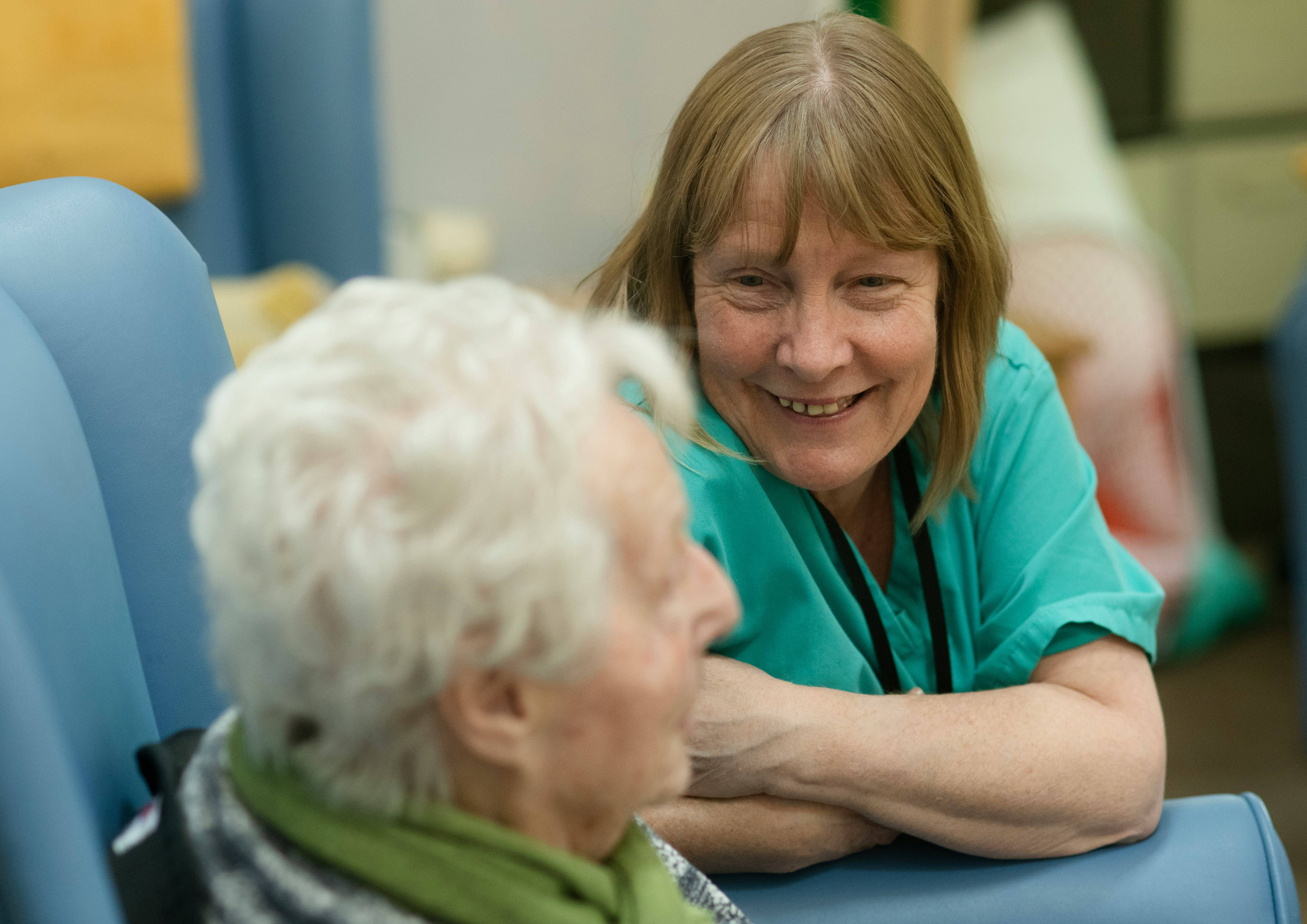
The emotional support that is provided can be as simple as the caregiver being a compassionate and consistent presence who talks with and listens to your loved one, which also provides an important social component to the care. However, trained end of life carers also provide counselling when needed and can bring a tremendous sense of comfort. Again, while this differs from person to person, some people need to talk about regrets and pain that they have from their lives, whereas others require comfort because of the fear they have about the loved one’s they leave behind. An end of life caregiver’s role is to help support your loved one, anywhere from being a friendly conversation partner to providing counselling.
The practical and social support that is given during end of life care varies, but can involve things like light housework, meal preparation and the facilitation of social engagements from your loved one. Again, this comes down to what your loved one needs. If your loved one has always loved cooking or is simply fiercely independent, for example, they may be reluctant to allow someone else to cook for them, and so your loved one’s caregiver might enable your loved one’s desire to cook.
Finally, an important part of end of life care involves caring for you and your loved one’s family by providing advice and support. They do more than provide elderly care. This is very important because it is deeply traumatic watching your loved one deteriorate and waiting for their passing. End of life care should involve providing you with practical advice concerning making arrangements for your loved one, as well as discussing medication, as well as providing counselling and emotional support as you deal with your loved one’s condition.
Where Does End of Life Care Take Place?
End of life care can be given both at home and in a care facility. We strongly believe that home-based end of life care is the way to go for most people, even when this is simply elderly care rather than it being linked to a specific disease.
Home-based end of life care provides everything we’ve been talking about, but with the greatest range of flexibility and customisation because it does not have to work around the rigid structures of a care home. This really does promote their independence.
In addition, it provides you with more freedom to be part of your loved one’s life in their final months. That is not to say that care homes exclude families, but apart from you not having to worry about rules and guidelines of a care home, you never have to feel like you’re imposing on anyone else.
Finally, while there are really so many other benefits to domiciliary care, we think the most pertinent ones for your loved one is the gift of enabling them to live their final months in the home, surrounded by a familiar place where they’ve lived and made memories, where they are anchored. This is important for the family as well, of course, as it is disorientating for family members when someone they love is untimely ripped from a shared place of community.
How Can I Get End of Life Care for My Loved One?
For this, you want to speak to your loved one’s doctor and healthcare team who may be able to advise you on how to proceed. However, it is also worth conducting your own research and reaching out to home-based care companies who can give you the high-quality care and support your loved one needs.
If your loved one needs end of life care, or is getting to that place, we would consider it a great responsibility and honour to walk along side you and your loved one to give you the care and support you need, even if that is simply needing more information at this stage.
Frequently Asked Questions
How does end of life care differ from palliative care and hospice care?
Hospice care is a type of end of life care that can be given when it is no longer possible to cure a serious illness or the person affected chooses to cease treatment. It is focussed entirely on the comfort and quality of life of someone whose death is very near because they no longer want treatment for their illness or treatment is no longer working or an option.
Palliative care is a broader category that involves hospice and end of life care. It is provided to anyone with an incurable or terminal disease and is focussed on promoting the well-being and comfort of the afflicted person as they live with the disease. An important part of this is doing everything possible to promote the dignity and agency of your loved one. It also includes treatment for the condition, whatever that may be.
How are you equipped to provide end of life and palliative care?
We are a nurse-led company that provides nurse-led clinical oversight to ensure that all care provided is of the best possible standard. Our caregivers who provide end of life care also have the specialist training to best support you and your loved ones. We have extensive experience helping people at the end of their lives, as well as supporting their family. We are also registered with the CQC and TDDI registered.
What is a CQC rating and what is yours?
The Care Quality Commission is the independent regulator of health and adult social care in England. They rate care providers to ensure that they provide safe and effective care that meets modern standards, expectations and best practices.
Mega Nursing & Care has a “good” rating which means that we are performing well and are meeting all of their requirements. In other words, they have investigated us and endorsed the care we provide as being of the standard that a person would want to receive.
Why is TDDI registration important?
Being registered for the Treatment of Disease, Disorder or Injury means that we have caregivers who are specially trained and legally allowed to step in and provide medical interventions when necessary. This means we can do more than observe and report, and it means that our caregivers can act quickly to provide fast medical interventions ASAP rather than having to stand by while they wait for emergency services to come if there is an emergency.







.png)