Because dementia is not a single disease, but a term that refers to cognitive loss and the variety of symptoms associated with this. It is often referred to as “an umbrella term” because it covers a large range of symptoms and encompasses a range of diseases that cause this brain damage.
Dementia is commonly associated with memory loss and age, and while memory loss is a major symptom of dementia and dementia is most common in the elderly, dementia is not a normal part of aging.
Having said that dementia is an umbrella term, there are still specific types of dementia. We will focus on the five major types of dementia in this blog post because only up to 5% of people with dementia experience any other type of dementia.
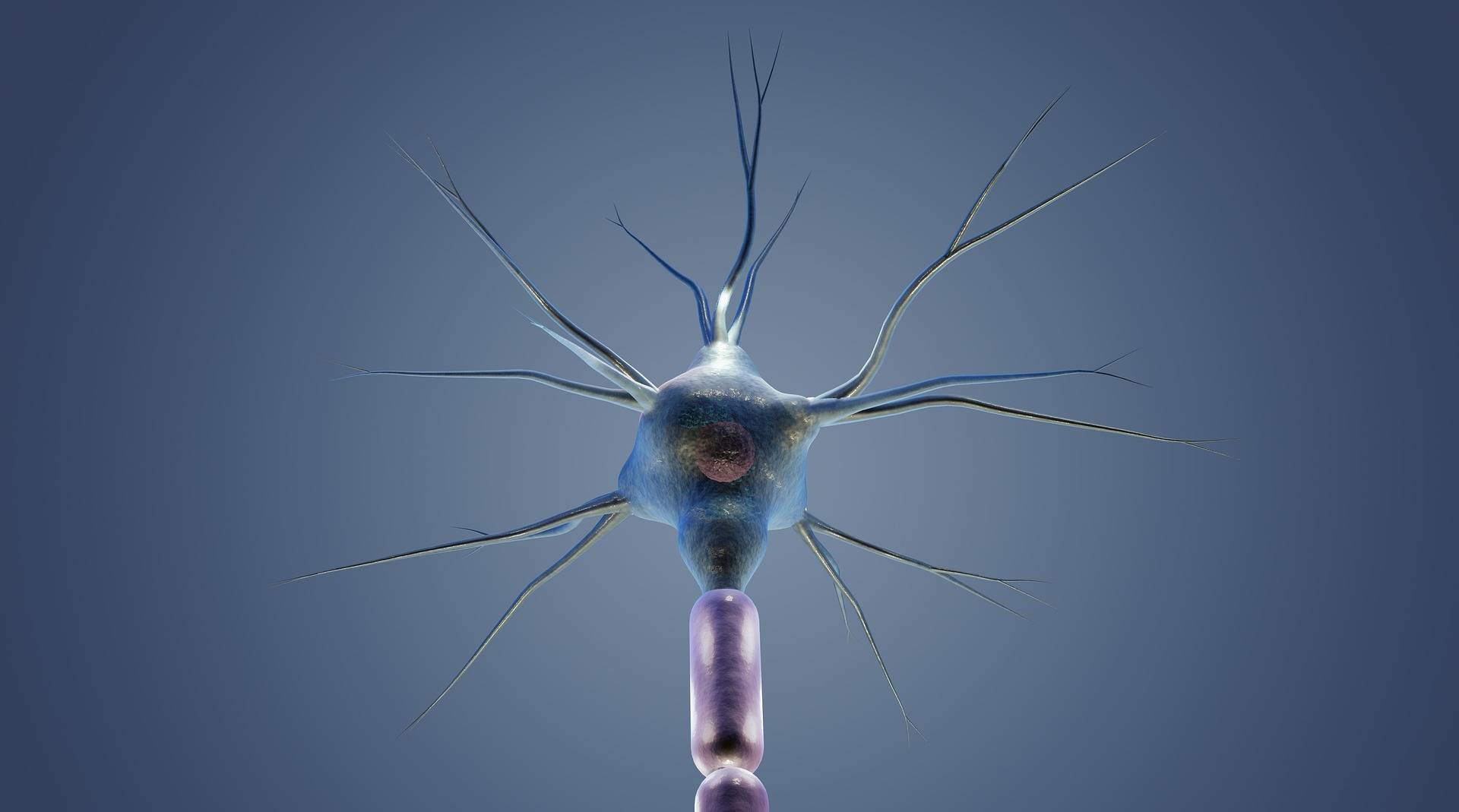
By far, Alzheimer’s disease is the most common form of dementia and was first identified in 1906 by a German psychiatrist and neuropathologist.
It is a disease that causes progressive neuron death over time. Unfortunately, it is a disease that is active for years before it becomes symptomatic and is not a condition that can be cured.
Alzheimer’s affects memory, the ability to think and reason, mood stability and language, amongst other things. It’s caused by the formation of abnormal structures in the brain called “amyloid plaques” and “tangles”. These structures form increasingly over time and eventually impeded normal brain function, which manifests itself in its symptoms.
It’s important to note that while nothing can prevent Alzheimer’s Disease, a person can reduce their chances of getting Alzheimer's by eating and drinking healthily, exercising, and
staying socially and mentally active. Additionally, long-term sleep deprivation has been correlated with Alzheimer’s
Vascular dementia is the second most common form of dementia in the UK, and it’s caused by reduced blood flow to the brain which prevents the brain’s normal functioning. This is the major differentiator of vascular dementia since most other forms of dementia are caused by protein buildups in the brain.
This reduced blood flow to the brain can originate from a variety of life events and other medical problems.
Head trauma and concussions can increase risk, as does age. Strokes high blood pressure and heart disease are all significant health conditions that can cause vascular dementia.
Vascular dementia usually starts with regular problems with thinking initially, with memory problems coming in slightly later on in the progression of the condition.

Lewy body dementia is another form of dementia that is caused by abnormal protein deposits in the brain.
Lewy bodies are clumps of protein bodies in the nerve cells of the brain and usually develops over multiple years, though no-one knows what causes these protein deposits to form.
Lewy body dementia has a variety of symptoms because they are dependant on the part of the brain that the Lewy bodies are found. This means that it is often misdiagnosed as other forms of dementia because of the overlap of symptoms.
Some common symptoms include difficulty focussing, memory loss, difficulties with making decisions and with movement, as well as hallucinations and disturbed sleep.
Frontotemporal dementia is caused by nerve loss in the brain’s frontal lobes (the area behind your forehead) and temporal lobes (the areas behind your ears).
It is most common in people over the age of 65, though it can occur from the age of 45, and there are two broad categories of frontotemporal dementia, the behavioural variant (affecting the frontal lobes) and primary progressive aphasia (affecting the temporal lobes).
The behavioural variant is mainly associated with behavioural and personality changes and problems, whereas primary progressive aphasia is associated with difficulties with language.
No-one really knows what the risk factors are for this form of dementia, but it is thought to be inherited in a significant number of cases.
Quite simply, mixed dementia is a combination of two or more of the other kinds of dementia. Because of its prevalence, most mixed dementia cases involve Alzheimer’s, though it is most commonly present with vascular dementia.
There is no specific set of symptoms that indicate mixed dementia, and it is very difficult to diagnose the exact mixes of dementia in a person with dementia because symptoms often overlap and the physician might miss a secondary type of dementia because another form is far more apparent in the individual with dementia.
There are a number of other kinds of dementia that are far less common as far as the most recent investigations into dementia can ascertain. For your information, here is a list of these kinds of dementia:

It goes without saying that only a medical professional can give a person a credible diagnosis of dementia, so if you or a loved one have suspicions that something isn’t right, don’t put it off, reach out to someone and get to the doctor ASAP.
The first signs of dementia are usually one of or a combination of memory problems, trouble with words and difficulty thinking.
When you’re dealing with a loved one, take seriously their complaints of memory problems and encourage them to let you know if they feel as though they are gradually getting more forgetful. It’s particularly important to pay careful attention to what your loved one says because early signs of dementia are usually first noticed by the person with dementia.
Apart from going to your doctor and the medical support and advice they can provide, there are some seriously good home-based care services for dementia out there who can provide the support you or your loved one might need as the dementia progresses.
In addition, organisations like the Alzheimer’s Society have great resources and do a fabulous job in providing support for people with dementia and their families.
The seven clinical stages of Alzheimer’s was developed by Dr Barry Reisberg and is a guide used to determine the progression of Alzheimer’s a person is in. The first three stages is the pre-dementia phase, with stages 4-7 being the dementia phase. Stage five is particularly important since it is the point at which a person can no longer live unassisted.
The seven stages can be summarised as follows
The four Rs are “reassure”, “reconsider”, “redirect” and “relax”
It’s a caregiving framework for dealing with challenging behaviour or distress in people with dementia that is designed to de-escalate the situation and take care of both the person with dementia and the caregiver. It aims to avoid conflict and arguing with the person with dementia in a compassionate manner while still guiding the situation to the best possible conclusion.
The “reassure” step is focussed on the person with dementia and is supposed to make them feel safe and loved.
The “reconsider” phase is focussed on the caregiver, who is supposed to take a moment to consider the person with dementia’s position so they can respond in an empathetic manner.
The “redirect” step is again focussed on the person with dementia and aims to gently and patiently redirect their attention to a more positive or calming activity.
The “relax” phase is directed at the caregiver who needs to deal with their own frustration or stress in a positive manner. It’s a form of self-care that may involve stepping away for a moment if that is what is needed.
Dementia is often described as an “umbrella term” that describes neurological damage that disrupts a person’s ability to live. As such, there is no single cause that brings on dementia in all people. Any disease or injury that results in damage or nerve loss in brain connections can cause dementia.
Unfortunately, there is no current cure or way to reverse dementia symptoms, but the right care plan, support and medication can help a person live with dementia. A dementia diagnosis does not mean that a person’s life is over!
We offer specialised home-based dementia care to people with dementia to fit your loved-one’s needs. We can provide care anywhere from respite care if you’re caring for your loved one by yourself to round-the-clock live-in care. Reach out to us for more information.
We can offer care support in Bedfordshire, Gloucestershire, Hertfordshire, Northamptonshire and Oxfordshire.
We're here to support you every step of the way. Whether you have questions about our services or need assistance in finding the right care for your loved one, our compassionate team is ready to help.
We understand that this journey can be challenging and we're committed to providing you with the information and support you need.










.png)