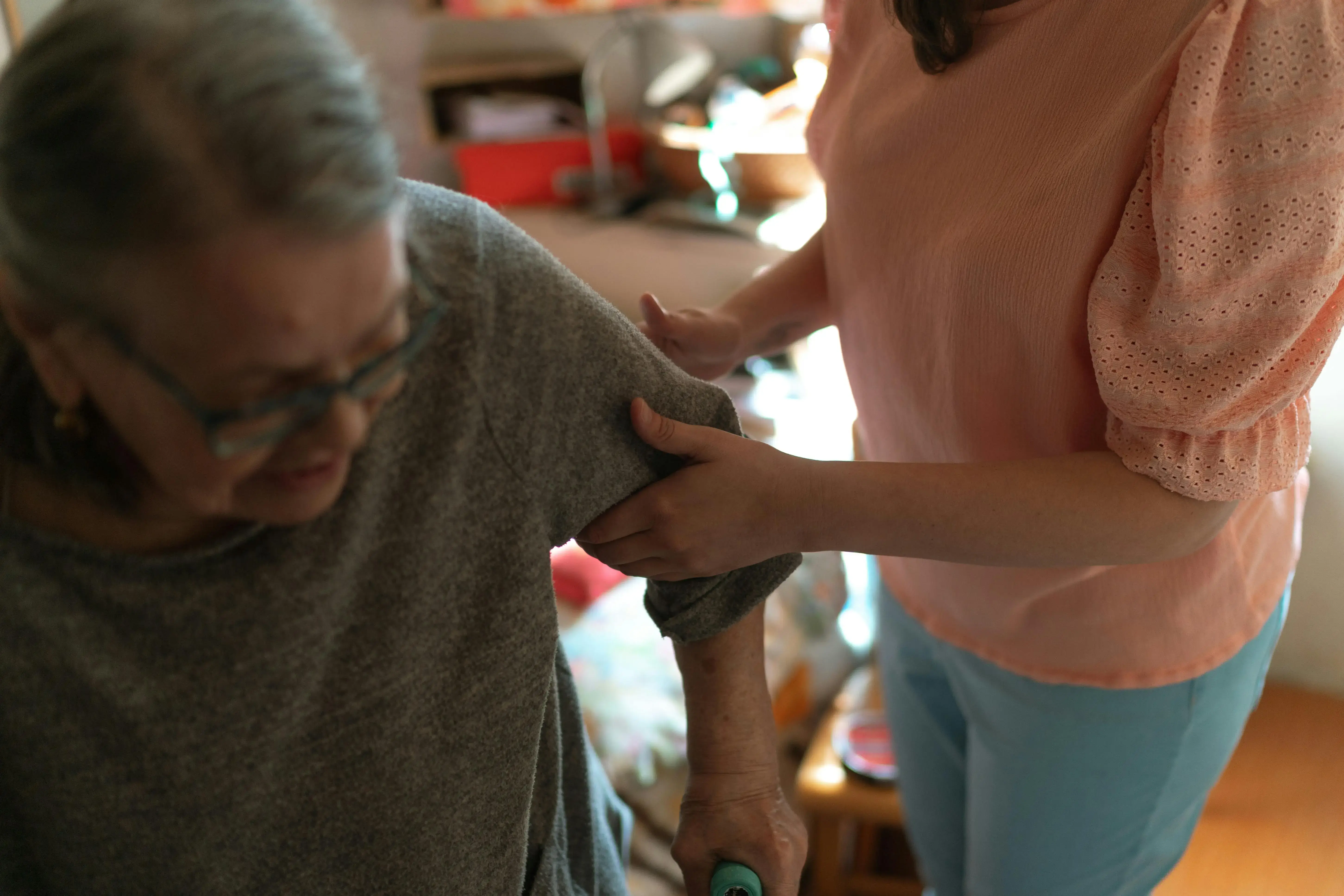
While the effects of the early stages of dementia are not as pronounced and obvious as the later stages, living in the early stages of dementia is still challenging and can affect your quality of life, especially if you live alone.
That does not mean that a full and meaningful life is out of the question, however, especially if you take proactive action.
And that’s what we’re going to look at today. We want to give you seven tips to help you or a loved one live well with dementia in the early stages.
It’s well-known that routines are incredibly important for people with dementia, but we cannot emphasise enough how important it is to establish a routine as soon as possible.
Dementia affects the memory and the ability to sequence task and most heavily affects shorter term or more recent memories, so establishing a routine helps to create a more deeply seated and resilient set of behaviours that is habit-based.
This helps to create structure and stability that helps to reduce stress and anxiety because there are fewer things that can take you or your loved one by surprise. It also helps to reduce frustration because these established routines are more robust (and it reduces the changes of things being forgotten) and take away a significant amount of decision making which can be stressful to people with dementia.
Of course, it’s worth noting that these routines do need some flexibility because while they act as frameworks, it doesn’t mean that absolutely everything is identical on a daily basis.

Another excellent practice to establish sooner rather than later is to set up a system for keeping track of things and help yourself or your loved one remember. There are all sorts of different tools you could use, from using digital tools on your smartphone to keeping it low tech by simply using a physical diary.
It’s probably better to stick with what’s familiar to you. For example, if you are quite comfortable with tech, using a ‘to do’ app on your smartphone may work brilliantly, especially since these can be shared with other people and they can check up on you as tick things off the list.
However, if you are supporting your elderly parent who struggles with technology and you’ve been the official tech guru for a while, it’s probably better to use good old pen and paper. Introducing a digital tool would only add a point of friction and frustration that your loved one doesn’t need while they learn to live with dementia.
One way to go about it is to test both systems. See what works, then make your decision.
Really, it’s about what works in the specific situation. Care plans, after all, should be tailored to the individual.
This is important. The risk of accidents in the home increases dramatically as dementia advances, and when a person with dementia is living alone, the risks are even higher.
The sooner you reduce risks in your (or your loved one’s) home, the better.
This is going to look different depending on your home, but there are a few standard things you can do like removing tripping hazards, installing smoke detectors, putting up grab rails in the bathrooms and getting an alarm you carry around with you that you can trigger in the case of an accident.
However, we recommend that you consult someone who has experience in making a home safer for people with dementia. You’re only going through this once, whereas an expert dementia caregiver, who truly understands home-based care, has gone through dementia with others many times over.
As time goes on and the dementia progresses, you or your loved one will need increased support, whether it’s with grocery shopping and helping with transport or simply with carrying out mundane daily tasks. Having people you can call upon is helpful initially and creates peace of mind for you, but it crosses over into the territory of being essential as the dementia advances.
People sometimes feel guilty for calling on their friends and family for help, especially when it’s regularly, so if you are the one supporting your loved one, it’s worth having an ongoing conversation and being increasingly proactive. You want to help reduce stress in this domain.
One of the keys to managing this is communication.
Another important part of setting up a support network is to consider getting paid professional help. This can also help deal with any sense of guilt that comes from calling on friends and family for help and reduce how often friends and family need to be called upon.
All of that is practical, but there’s an emotional side to having a support network too. It’s important to share one’s dementia diagnosis with trusted friends and family sooner rather than later so that they can be there as an emotional support as well.
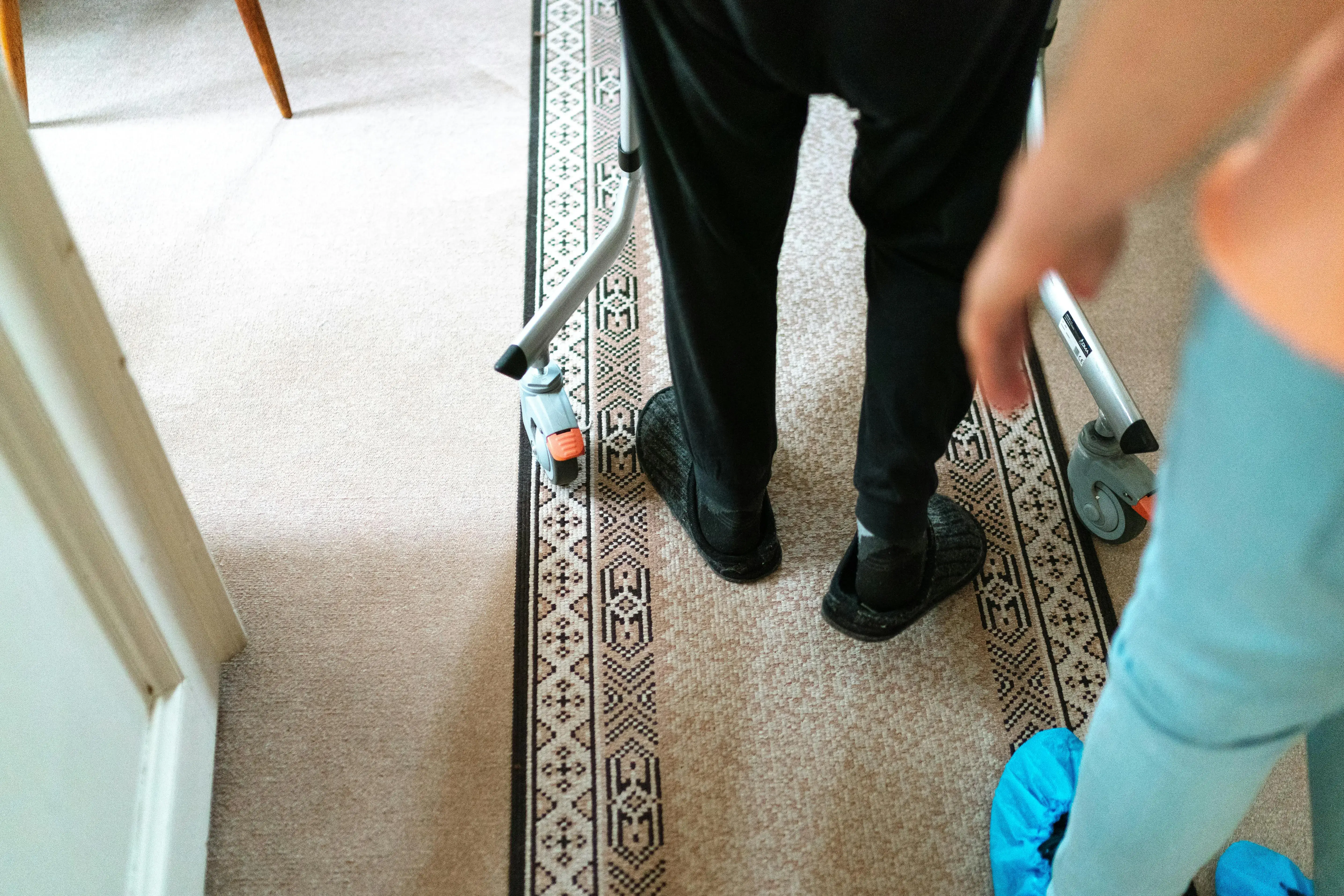
Exercise – especially when it’s social in nature – is a fantastic way to help boost both physical and mental health for someone with dementia and helps to promote their quality of life. Whether you or your loved one are active already, it’s worth assessing how much aerobic and strength exercise is a part of your day-to-day life and adjusting it if there isn’t enough of it. Once you’ve decided, make sure that you add it to your daily schedule so the exercise is consistent and becomes a predictable part of life.
Part of maintaining good health involves socialising, so social outings and socialising activities need to be a part of your routine as well. Again, when a person lives alone with dementia this is even more important to schedule because it can be easy to become house-bound and isolated.
Eating well can be made easier by setting up a meal plan. This can be done with a good nutritionist and by consulting with your healthcare specialist.
Tracking health involves regular checkups with your healthcare specialist, monitoring any changes in the state of your dementia symptoms and ensuring that medication is taken consistently. The last two on that list require some outside help when you live by yourself, so it’s a good idea to get a trusted friend or family member to help you keep track of symptoms and medication.
You want to be in control of your legal and financial matters which, when dementia is involved, means that the sooner you speak to your lawyer and financial advisor about setting your affairs in order, the better.
You can involve a family member in the process, but updating a will, creating power of attorney, making financial decisions and outlining your wishes for the future will necessitate specialised advice.
We recommend that you speak to the relevant specialists sooner rather than later.
Home-based care is fantastic because it keeps the living situation relatively familiar and stable, which reduces stress that comes from uncertainty and change. It can also be far more personalised and allows you (or your loved one) to determine how you want your life to look. This also means that there’s greater scope for independence and a fuller life, which we think is absolutely crucial to a person with dementia.
You many not need a caregiver initially, but there will come a time when you will need assistance that is more than friends and family can supply. And even if they can supply it, everyone needs a break and sometimes unexpected life events come in to play that make it impossible for your loved one to help you (or for you to help your loved one). Knowing who to call for this kind of respite care is helpful.
Having said that, it’s a good idea to get a care provider on board sooner rather than later because it builds familiarity. You could decide to see the caregiver once a week to start with, which gives you the chance to get to know them and them the chance to get to know you, your routines and your preferences. It also gives you the peace of mind that a highly-skilled professional is monitoring your symptoms and health.
Again, even if none of that is necessary immediately, it’s comforting to know that you’ve laid the groundwork for when home care is needed. It’s all about making things easier and planning ahead.
If you are in the early stages of dementia or you have a loved one who is, we would love to chat to you and answer any questions you may have.
We provide excellent care that truly is personalised and geared toward empowering the people for whom we care as well as preserving their dignity.
Our lines are always open, so feel free to reach out for a friendly chat and some useful advice.
We can offer care support in Bedfordshire, Gloucestershire, Hertfordshire, Northamptonshire, and Oxfordshire.
The procedure is straightforward. You reach out to us, and we have a conversation about the situation. We come to you to conduct an on-site visit and create the personalised care plan in consultation with you and your loved one. Once everyone is happy, care can begin whenever you need it.
Yes. We provide the level of care that is needed and adapt to the changing needs of your loved one. You can start with visitation care and move to live-in care as the situation changes and vice versa.
Simply put, it depends on your loved one’s needs. It varies from person to person.
We're here to support you every step of the way. Whether you have questions about our services or need assistance in finding the right care for your loved one, our compassionate team is ready to help.
We understand that this journey can be challenging and we're committed to providing you with the information and support you need.











.png)