The first three days of discharge from hospital is particularly important for anyone on the Pathways 1-3 on the NHS’s Discharge to Assess (D2A) approach the transition from hospital to home. We know that this 72-hour period is important, of course, but because we are a “people first” company, we are also sensitive to the mystery that shrouds the transition for anyone who hasn’t gone through it before. Obviously, we explain things clearly to people who use our D2A service, but we still think it’s important to put out as much information as possible so you can be empowered by knowing what you’re going to face.
We’ve explained this before, but (briefly), the NHS’s D2A approach to hospitalisation discharge aims to get people out of the hospital as soon as they are well enough and stable enough to do so. This is done before any assessment is carried out to identify what new support you will need as part of your recovery from hospitalisation.
There are four pathways, from Pathway 0 to Pathway 3, but since Pathway 0 requires no change to the person’s living arrangements and no new support post hospitalisation, we will focus entirely on Pathway’s 1-3 here.
Pathway 1 is for people who can go straight home, but require some additional care and support for up to six weeks as part of their recovery.
Pathway 2 is for people who aren’t quite ready to go home because they will require assessment and some additional care and support. These people are released to a bedded facility where they receive their assessment and get the necessary support until they can return home.
Pathway 3 is for people who are likely to have a significant and permanent increase of their care needs, and, as a result, are unlikely to be able to return home. Thus, they go to a care home for assessment and further care and support.
It’s worth knowing, by the way, that around 50% of people who get discharged fall into the Pathway 0 category, and just get on with their lives. Another 45% are discharged on Pathway
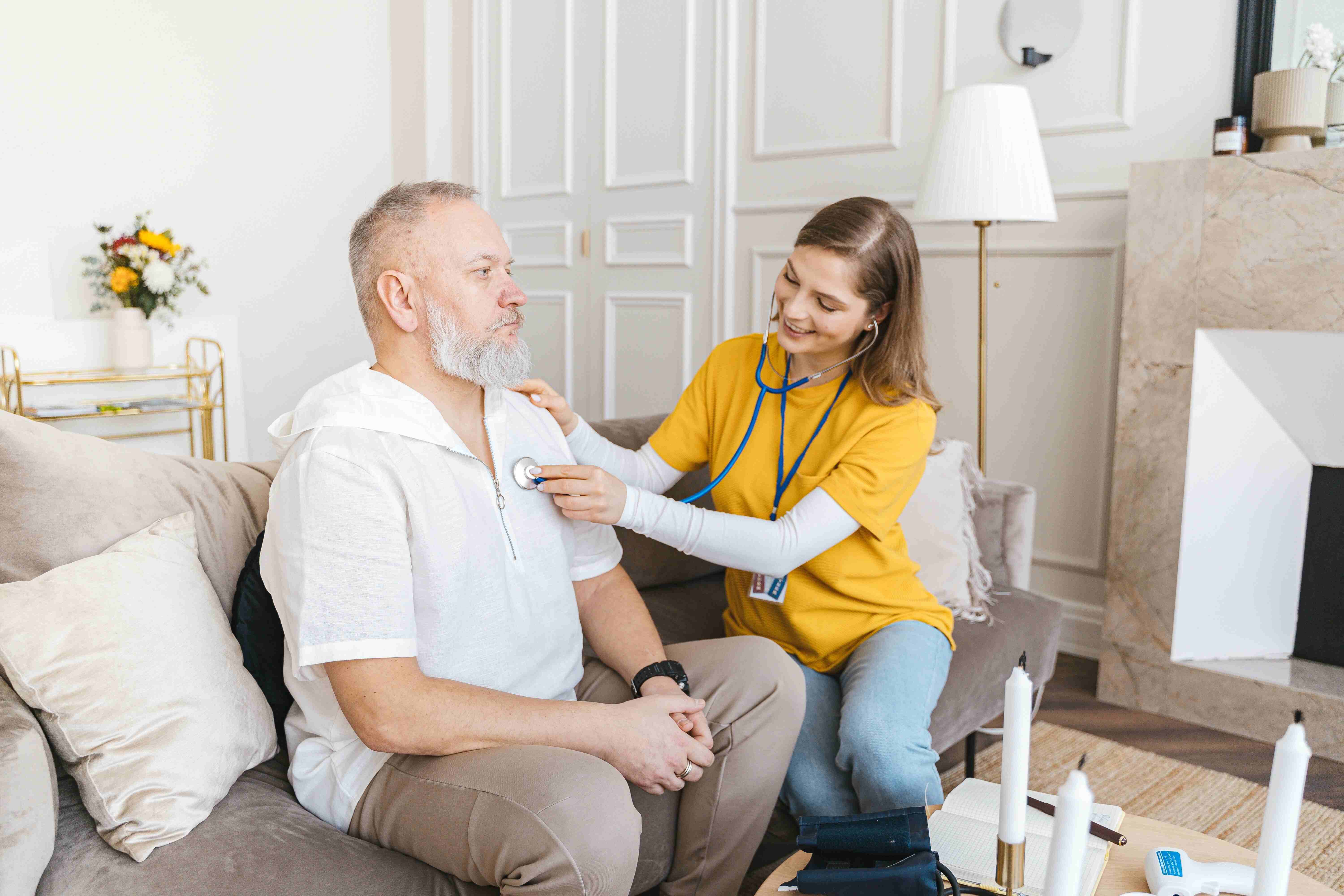
Because assessment comes after discharge on the D2A approach, it’s critical that the assessment to determine your new care needs is carried out within the first three days so that the new (temporary) care plan can be drawn up. The sooner this is done, the better, both because the faster a routine is set up, the easier it is to settle into it and because it reduces the likelihood of anything falling through the cracks.
Because it takes a few days to get the assessment done and subsequent care plan implemented, those first 72 hours require temporary stand-in care because it is a high-risk time.
This is ultra important for anyone just leaving hospital as they make the adjustment to living at home or the bedded facility. There is always the chance that physical assistance is needed, and if you are on Pathways 1-3, you are being discharged on the understanding that you need an increased level of care from normal.
The extra care is there to look after you and prevent any potential causes of readmission. Furthermore, the caregivers can provide important information to your healthcare team in your new context.
Beyond this, though, it’s also always a bit of a shock to the system when leaving the hospital, regardless of which Pathway you’re on, and so it’s comforting to have someone come around, check on you and make sure that you have what you need and are okay. Family might be able to do this perfectly adequately, it’s true, but if you’re on Pathway 1-3, that extra assistance goes a long way to facilitating the transition.
And that’s where we come in. We are fully set up for rapid response home care and offer a D2A service that is focussed around providing the care you need in those first three days. The real benefit to this service is that you get the peace of mind that even though you are out of hospital, you are getting the care you need and are being observed by a highly trained caregiver (who is being overseen by nurses).
The bottom line is that our care for the 72 hours is intensive, and we go out of our way to ensure that you are getting all the care and support you need.
No. D2A is an NHS programme. Once you or a loved one is placed on a pathway, care providers like us come in and give the support that’s necessary. Basically, we work in partnership with the NHS and local authorities. We may also give care outside the 72-hour window if the care plan involves care needs that we are set up to provide.
Again, the support we give in that 72-hour post-discharge period is provided in partnership with the NHS and local authorities, but we are set up to provide rapid response, so we can mobilise a care team in short order.
The same is true if you need care outside the D2A context. If you have a loved one who simply needs more support, we move quickly to fill the need. Just contact us and we’ll walk you through the process.
Yes. Care plans change as soon as your needs change. They’re supposed to be flexible.
Our service is limited to the areas in which we have offices, namely Bedfordshire, Gloucestershire, Hertfordshire, Northamptonshire and Oxfordshire.
We're here to support you every step of the way. Whether you have questions about our services or need assistance in finding the right care for your loved one, our compassionate team is ready to help.
We understand that this journey can be challenging and we're committed to providing you with the information and support you need.






.png)