No one really likes visiting hospitals. Whether you’re visiting a friend or family member who’s receiving care, or whether you’re receiving treatment yourself, it just has too many negative associations. Having said that (and paradoxically), leaving hospital also tends to come with its own trepidations.
On the one hand, people often want to get out of hospital as soon as possible. On the other hand, there is often a significant level of fear that something will go wrong and that you’d be best off staying in hospital a bit longer.
Discharge to Assess (D2A) addresses both of these concerns, while also playing a critical role in improving hospital effectiveness and experiences for the greatest number of people possible.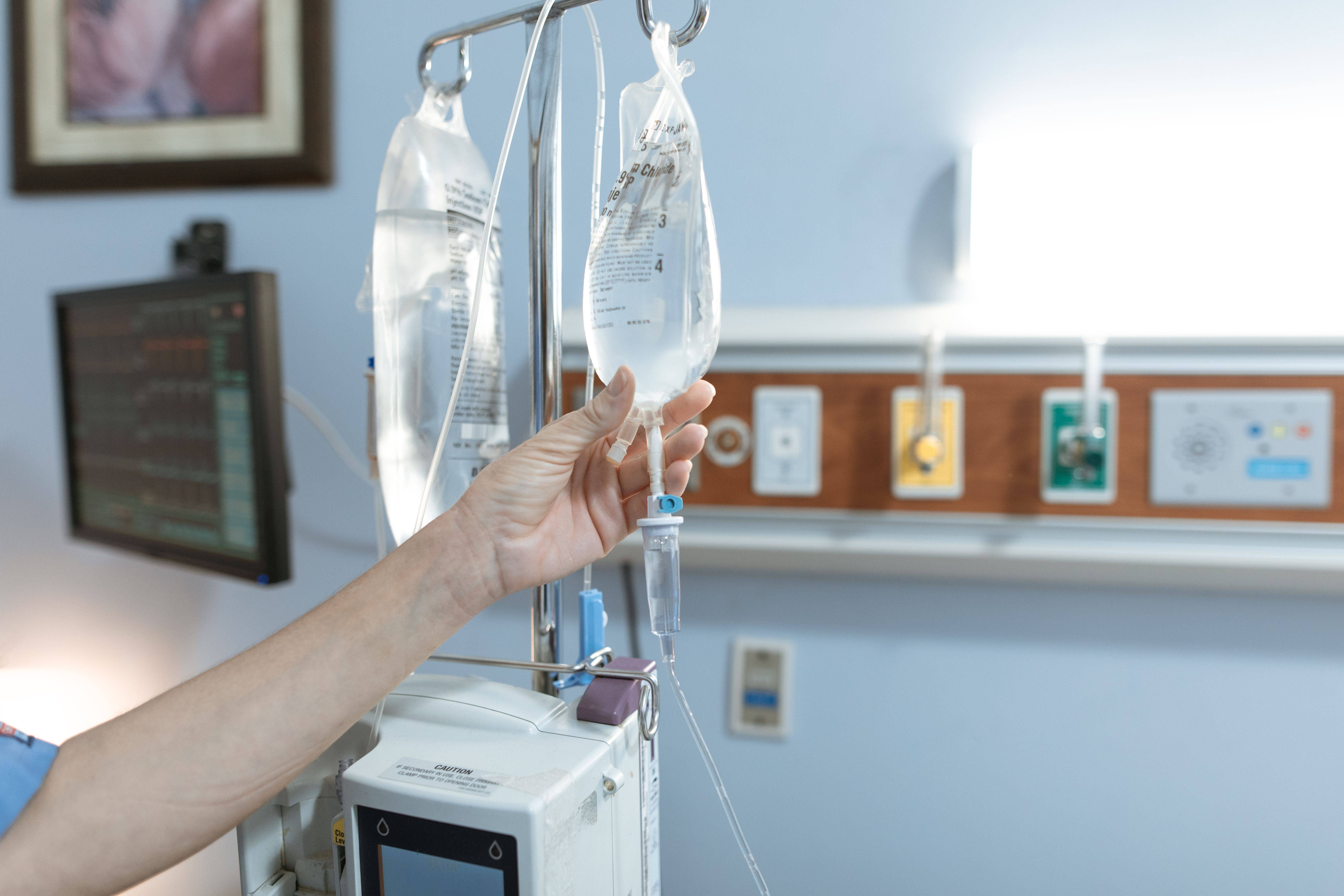
You might never have heard of D2A and be wondering, “What is Discharge to Assess?”
In short, D2A is the model that NHS England endorses as the best approach to discharging individuals from hospital. Under the D2A approach, clinically stable patients are discharged from hospital as fast as possible, as soon as they are clinically ready.
This rapid discharge is possible because instead of waiting for a person to be assessed for their longer-term care and support needs in the hospital before discharge, the assessment takes place after discharge.
At first glance, this can seem like a risky approach and it’s easy to think that it would be better to determine what support the patient needs first and then move on to the discharge phase.
However, studies have consistently shown that this approach actually supports patient recovery and well-being better than waiting for the assessment before discharge. People just seem recover better at home.
Beyond that, it’s not as though you are discharged and then just left to manage life without any support. The D2A approach mandates that the person be assessed immediately after discharge; it’s just that the assessment is conducted outside the hospital.
Again, discharge under the D2A model is not some sort of haphazard approach. It’s actually a deeply patient-centred approach to care.
Before discharge, staff assess which one of the four discharge pathways the patient needs to take.
On Pathway 0, the patient is discharged to their regular residence (their home) with no new social or health care needs. On this path, the person is well enough to get on with their life and no further assessment is needed.
On Pathway 1, the patient is discharged to their home but there will be some new health care or social care needs. Assessment It’s important to note that these needs are not necessarily permanent. The aim of this path is supporting the individual as they recover to full health.
On this approach, although timeframes can vary, the discharged person will usually have an assessment team visit within 72 hours to determine exactly what support is needed.
On Pathway 2, the patient is discharged to a short-term community bed-based facility that has dedicated recovery support.
For people on this path, the 72-hour assessment window does not apply, and assessment takes place shortly after arrival at the facility so that the care needs and reablement support needs are identified instantly.
The assessment will identify whether the care needs of the individual will be short-term or require some form of longer-term support.
On pathway 3, the patient is discharged into a residential or nursing home setting because of their complex care needs. This pathway is only used in extreme cases.
The pathway is only needed if your loved one has significant complex care needs (including significant mental health needs) or requires end-of-life care.
D2A plays an important role in NHS England’s attempts to maximise hospital bed availability while also giving each individual the best possible care.
As we mentioned earlier, it appears counterintuitive that discharging before assessment is better for the individual than remaining in hospital, but that is only at first glance.
Returning home (or to a care home, if necessary) is advantages to the individual for three important reasons:
On top of all that is the fact that returning home reduces the sense of disruption and provides several psychological boosts that come from feeling more independent by leaving the hospital sooner rather than later.
Apart from the benefits to the individuals receiving care, it benefits both the healthcare system and society as a whole because it makes more beds available, more often. Every time someone goes home for assessment a day or two or three early, that opens up a space that someone else can occupy to get the care they need. In this way, the D2A approach is also a strategic one that maximises bed availability so that more people can be treated.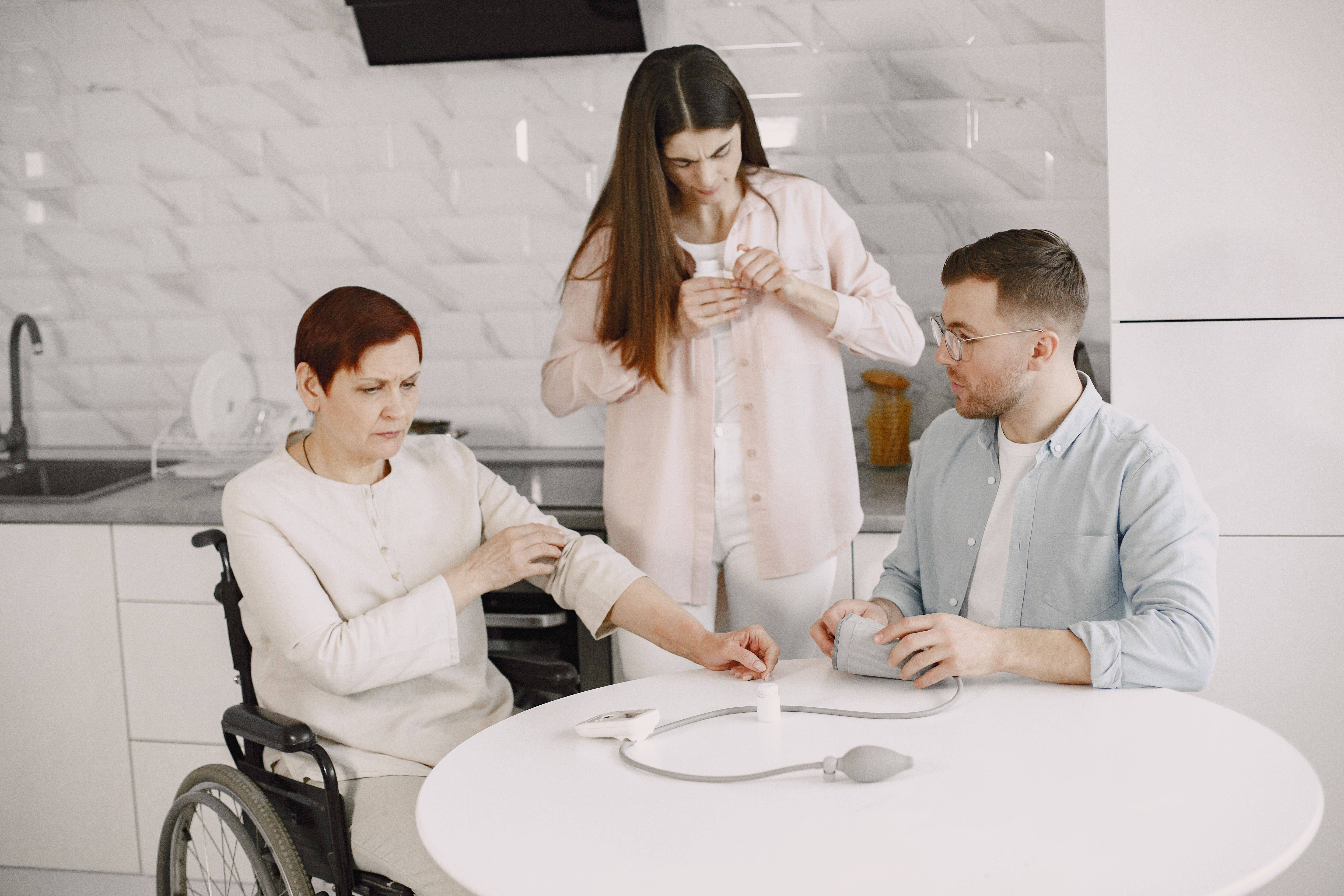
Private companies, like Mega Nursing & Care facilitate this important service by offering highly competent assessment teams (overseen by advanced nursing practitioners) who can conduct the assessment and help formulate the necessary care plans, as well as offer the domiciliary care that those on Pathway 1 need.
If all of this seems complicated, and you (or a loved one) are in hospital and want advise about Discharge to Assessment, don’t hesitate to reach out to us. We would be happy to give you the information you need and walk this road with you.
Yes! We recently launched our D2A service and are excited to offer this important service, which puts patient recovery and autonomy at the forefront. We have specialised teams ready to work with you and the rest of your health team to give you the best possible path to recovery.
This is a perfectly reasonable and rational concern. Our approach, however, which involves close collaboration with the hospital team, your other health specialists, as well as independent assessment by two of our highly-trained assessors (each on a separate occasion) means that there is very little space for things to be overlooked.
Our service is limited to the areas in which we have offices, namely Bedfordshire, Gloucestershire, Hertfordshire, Northamptonshire and Oxfordshire.
Nevertheless, we are happy to take your calls if you are outside those areas to provide advice so you can move in the right direction to get the help you need.
We're here to support you every step of the way. Whether you have questions about our services or need assistance in finding the right care for your loved one, our compassionate team is ready to help.
We understand that this journey can be challenging and we're committed to providing you with the information and support you need.







.png)