If there’s one thing of which we’re especially certain (because we’ve seen it, over and over and over again), it’s that live-in care does wonders for the psychological and emotional wellbeing of older adults. That’s not to say that the elderly aren’t supported emotionally in care homes, but there are things about live-in care that combine to make it the option (at least, in our opinion and experience) for older adults who need an elevated level of support.
Live-in care, as the name suggests, is when your loved one has a professional care-giver move into your loved one’s home to provide full-time care.
Although the exact daily support will differ from person to person (because each care plan is specially designed to meet individual needs), the care is typically organised around certain times that direct care and support is needed (such as mealtimes and bathing times) and times when the carer will withdraw to their own room to provide your loved one with space and privacy.
It is important to note, however, that even when the live-in carer has withdrawn to their own space, they are still on hand to provide support should an emergency arise (this includes emergencies at night).
From time to time, the caregiver will take respite leave so they remain fresh and in the best space possible to care for your loved one. When that happens, a respite caregiver comes in and covers for the normal live-in carer.
Something that people don’t always consider about live-in care is that it doesn’t have to be permanent. For example, it can be put in place temporarily to aid post-hospital recovery, especially the post-hospital emotional recovery that an older adult needs. In that case, it can be a temporary intervention to help your loved one get back on their feet, so to speak.
Now that we’ve briefly explained how live-in care works, we can look at how it supports mental health and emotional well-being for older adults.
One of the most important ways that live-in care supports older adults is the way that it allows them to keep living in their homes when they would otherwise have to move into a care home.
The ties we feel to home are significant and there’s a reason that human beings have fought innumerable wars over land throughout history. We feel totally attached to the land that we call us home.
It’s why we have the saying “there’s no place like home”, and it’s why A.E. Housman wrote these melancholy lines that so many resonate with when they think back on the place they once lovingly called home:
That is the land of lost content,
I see it shining plain,
The happy highways where I went
And cannot come again.
Apart from the importance that we place on the places we call home and the power of the connection we have with our homes, it’s the memories and familiar sights and sounds that brings a sense of comfort as our older loved ones health and independence fade. There’s nothing like being able to look at the corner of the kitchen where they had any number of conversations with their friends and family over the years while they waited for the kettle to boil. And while it comes with a sense of sadness, looking at the couch where their now grown up child used to read and nap as an adolescent it also brings up fond memories. Of course, there are also all sorts of pictures and possessions that a person has to give up when they move out into a care home, all of which are a part of their story and add a richness to their lives.
Live-in care protects that.
And for many older adults, it’s the familiarity of home that makes the other changes bearable. Their health and mobility (as well as their friends’) might be changing in ways that they don’t like, but home remains a constant, and that’s something that human beings tend to value.
Apart from all of that, remaining at home means that they can continue living with their partner and any pets they have, things that are often just not possible when moving into a care home.
Perhaps even greater than the importance of maintaining the familiar is the way that live-in care can stave off loneliness and isolation (although the preservation of the familiar plays a hand in that too).
As one a person ages and picks up health conditions, they lose the ability to get out and about as much as they used to. At the same time, the same is typically true for their friends. The result of this is often increasing isolation which can bring about a tremendous sense of loss and loneliness.
And this is particularly devastating to so many people because one of the top universal fears that people have is to feel alone and lonely.
This is counteracted somewhat in care homes, it is true, because there are lots of people about, but it isn’t the same as maintaining connections with their friends and family, and it also feels different because they can feel like they’ve been forced into a new environment where cliques have already been set up.
Live-in care, by contrast, often counteracts loneliness in the elderly because a consistent presence is introduced into their life who genuinely cares for them and really gets to know them. It’s not simply about the presence and conversation (which, in themselves are powerful supporting forces for mental health and emotional well-being) that supports their emotional and mental well-being, but the fact that they are finding an unexpected confidant and even friend who knows them and cares.
To be known, after all, is to be and feel loved.
Although carried out in the United States, the findings of a 2022 study showed that an overwhelming majority of older adults would prefer to age in their homes for as long as possible. Anecdotally, our experience tells us that this is generally true.
This is very important because it means that moving to a care home is something that your loved one (even if they agree to it) probably doesn’t want to do, and if a decision like that has to be made against their true wishes, it can have a tremendously negative effect on their attitude to their new life and it can be easy for them to give up and feel as though they’re helpless.
By contrast, being empowered to live in the familiarity of their own home, provides a boost to their feelings of independence and mental well-being because they feel like they have agency in a time when so much seems out of their control.
This sense of agency and independence is further enhanced by the way that living in their own home means that they get to decide on the pattern of their daily life. They can decide what the routine will be, and are able to welcome in visitors on their own terms. They can also be involved in things like cooking and meal planning and decisions, as well as organise outings (if they are physically able) in a similar manner to how they always used to.
As you can image, this helps your loved one to feel as though they have independence and agency – because they do. It’s not an illusion.
Finally, we all know that we feel more in control on our own turf. That’s the same whether you’re six or seventy six.
We want our older loved ones to have a fulfilling life for as long as possible. That, however, just isn’t possible when their mental health and emotional well-being isn’t supported. Live-in care is a loving, enabling type of care that prioritises their mental health and emotional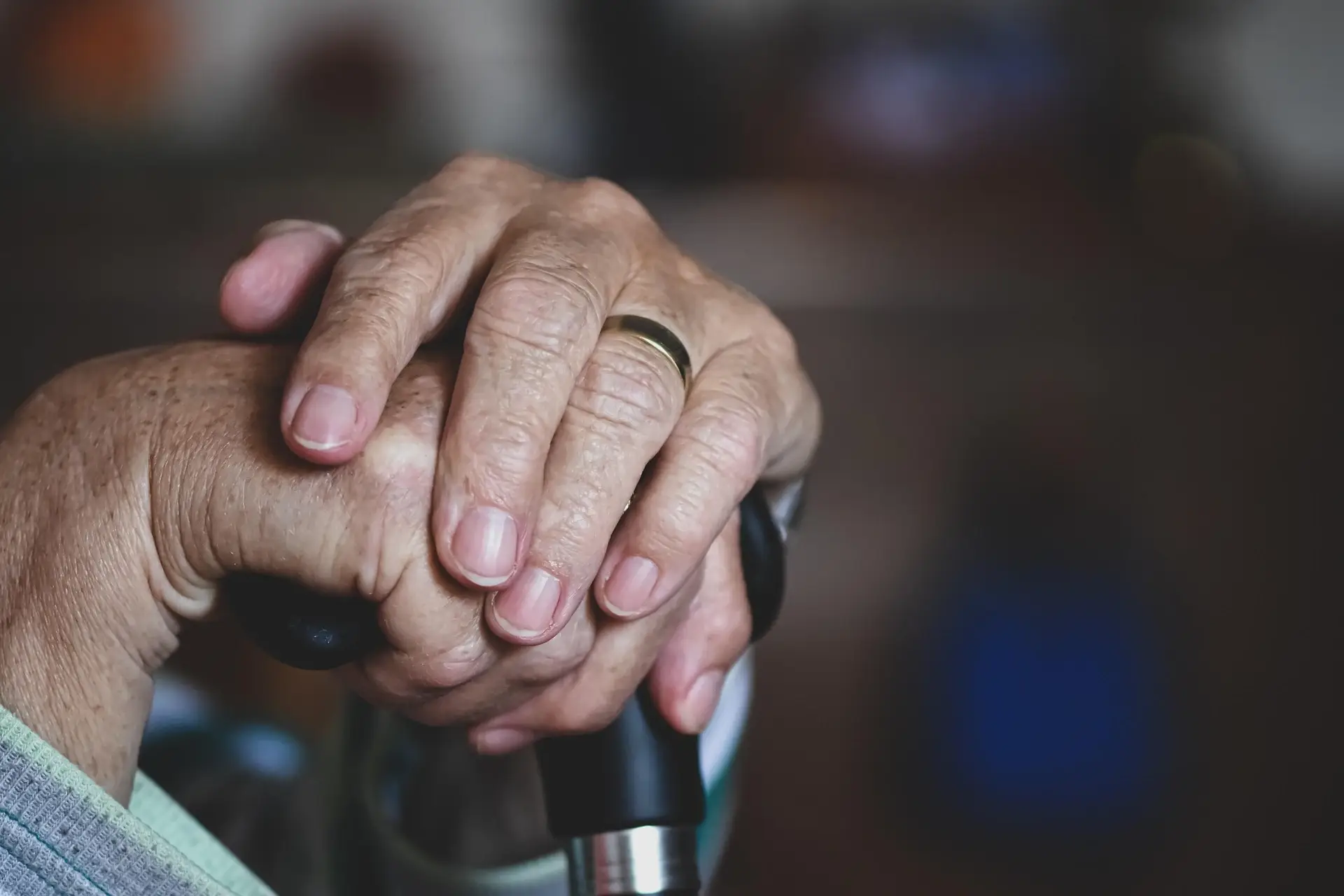 well-being, especially when it comes to counteracting the scourge of loneliness in the elderly.
It’s worth noting that while we’ve predominantly spoken about live-in care for older adults, the emotional and mental well-being of young people can be protected and supported for similar reasons. Live-in care can be for anyone who needs an elevated level and extent of care.
Whatever the situation, if you have a loved one who has significant care needs (young or old), think about live-in care. It supports their needs (especially their emotional needs), but it often tends to support your emotional needs as well.
Reach out to us if you’d like to chat about your options.
After you get hold of us, we visit your loved one so we can see them in their home and get a sense of their environment and individual needs. This allows us to enter the discussion with you and your loved one as informed as possible.
The care plan is developed through an open and collaborative conversation with you and your loved one. It doesn't need to be completed in a single meeting, and everyone has time to consider the details. Once everyone is happy that the plan reflects your loved one's needs and preferences, we begin delivering the agreed support.
TDDI registration means being registered to provide treatment of disease, disorder or injury. This means our caregivers have the legal authority and professional training to provide certain treatments and interventions, rather than only offering personal assistance.
As a nurse-led service with clinical oversight, our team can respond quickly when medical support is needed. This enables immediate treatment where appropriate, which is particularly valuable during emergency situations.
Being nurse-led means that every care decision is guided by experienced and highly qualified nurses who understand the importance of compassionate, person-centred care. Our nurses work closely with families to ensure every care plan meets the individual's needs.
Nurses also supervise the delivery of care provided by our care teams. This approach has been at the heart of our organisation since it was founded by Meg Lawal, whose nursing experience inspired the vision of delivering exceptional care through clinical expertise and genuine compassion.
We provide professional care services across the United Kingdom, supporting individuals and families throughout Bedfordshire, Gloucestershire, Hertfordshire, Northamptonshire and Oxfordshire.
We're here to support you every step of the way. Whether you have questions about our services or need assistance in finding the right care for your loved one, our compassionate team is ready to help.
We understand that this journey can be challenging and we're committed to providing you with the information and support you need.











.png)