Once a parent starts to need care, there’s always an even chance that they will eventually need live-in care. This is especially true if they have complex care needs or a progressive condition like dementia. However, as you get caught up in your daily life while also supporting your mum or dad, it can be easy to miss the signs that they’ve started to need live-in care. Apart from that, it can be difficult to know what to look out for, so here are five things you can look out for that indicate that your parent might need live-in care.
1. Falls, Accidents and Mobility Issues
One of the clearest signs that your mum or dad needs a live-in caregiver is it if they start to become more accident prone, fall from time to time or simply start to find that it’s becoming increasingly difficult to move around.
It almost goes without saying that this presents a significant health risk because of how serious falls and accidents are for the elderly. Additionally, difficulty moving around hugely affects their quality of life and ability to take care of themselves.
You might think that this is an easy sign to spot, but it’s not always that simple. Parents often try to conceal difficulty moving, falls and accidents because of embarrassment or embarrassment, so if you aren’t paying close attention, it can be easy to miss this important sign.

2. Serious Cognitive Decline
It’s no secret that memory loss, confusion and difficulty making decisions are all signs of cognitive decline in the elderly that signal that additional care is required.
Of course, forgetfulness and confusion can be normal parts of growing older, but when you notice that it is becoming a consistent pattern and is serious enough to get in the way of living independently, it’s time to think about live-in care.
If your mum or dad already has a caregiver, it’s worth talking to them to confirm your suspicions and to speak to your parent’s GP. They will be able to talk through the situation and be valuable touchstones in a stressful time for you.
Finally, while it is also a physical symptom, withdrawal and isolation can be a sign that your loved one is feeling like they are unable to do the things they normally enjoyed. If you notice withdrawal, it’s worth paying extra close attention and possible having a conversation with your parent about it.

3. Progression of a Medical Condition and the Mismanagement of Medication
Again, it’s a surprise to no one to say that you have to watch your parent’s health condition carefully, However, it has to be noted that one of the most important signs that your loved one needs live-in care is when their health declines suddenly or for a sustained period of time. This is particularly true when this is the progression of a health condition.
If you notice that their medical condition is progressing or their general health has deteriorated, it’s a good indicator that you need to talk to their health specialist and that they’re probably needing the extra care that live-in care provides.
However, linked with this, but more difficult to recognise, is when your parent starts to miss their medication or take it incorrectly. Of course, medication management is a common part of a normal domiciliary care programme, so it is something that can be caught by your parent’s caregiver, but it is a strong sign that they are probably needing a higher degree of care because this bleeds across into other aspects of their life.

4. Everyday Tasks Are Becoming Difficult
Another sign that live-in care is becoming a necessity is if your parent is complaining that ordinary tasks are becoming difficult, or (and this is often what happens) you notice the signs that everyday tasks are becoming unmanageable for your mum or dad.
There are several things that you can look out for here. Declining personal hygiene and care, complaints about clothes and bathing or showering, a change in cooking and eating habits because cooking is “too much of a hassle”, and an decrease in neatness in areas your parent usually kept tidy and organised are all signs of a significant decline.
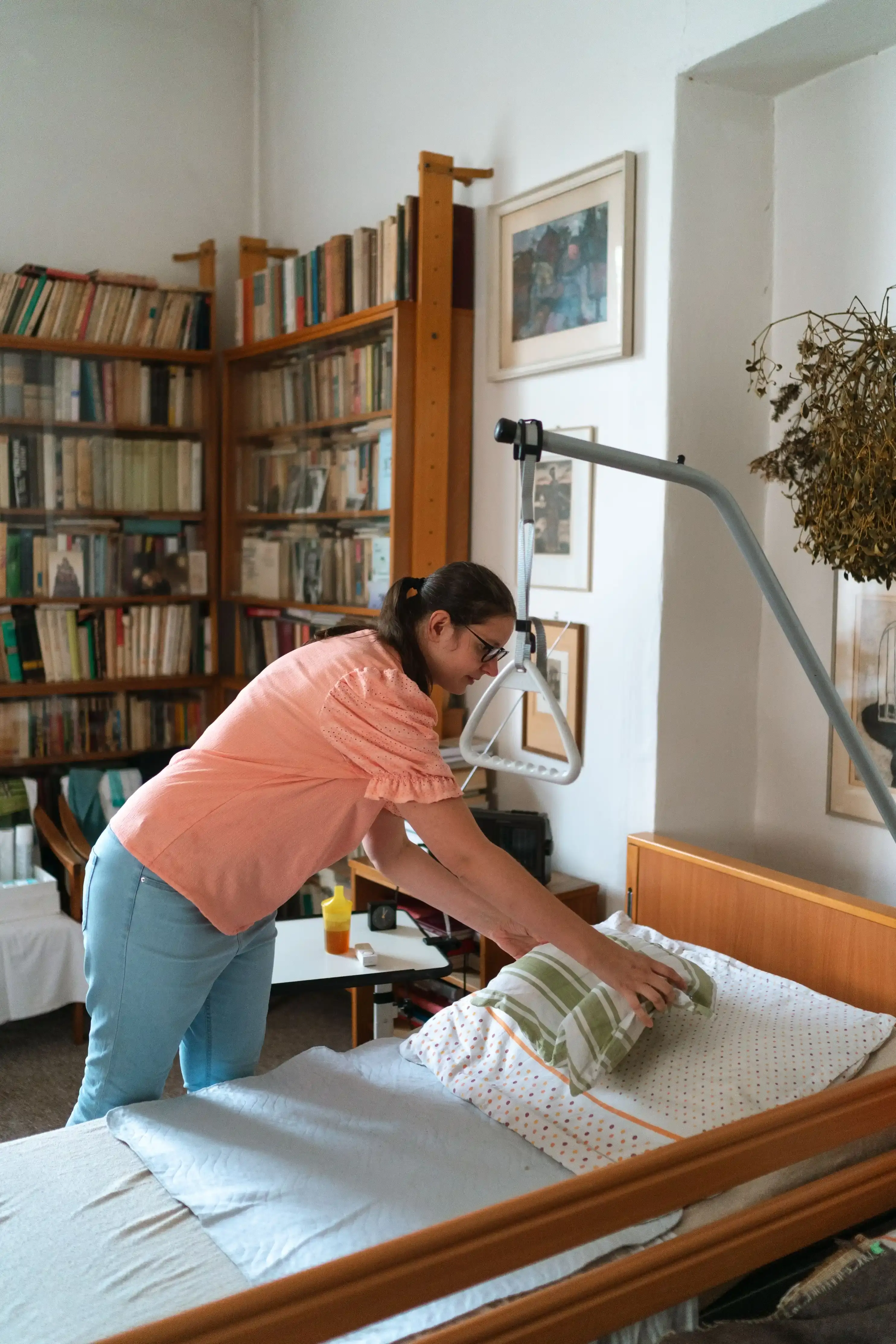
5. You and the Family Are Overburdened
One of the biggest red flags is when you (and other family members) are finding that you cannot meet the needs and demands of your mum or dad, either because the need you more and more, or because their needs are becoming increasingly complex.
Where families often go wrong here is in assuming that they are wrong to feel overburdened and assume that they need to take a breath and carry on. But if your parent’s needs are becoming too much for you, it’s not the case that you are letting them down by suggesting that they get live-in care.
Quite the contrary, actually. By helping your mum or dad organise live-in care, you improve the quality of their care, and free yourself (and other family members) to be more present for your mum or dad when you visit.
In addition, by doing this, you also give yourself and you parent (and the rest of the family) peace of mind because both you and they know that they are being taken care of as much as possible. The reduction of anxiety can be a big deal for your mum or dad.

What to Do If a Parent Does Need Live-in Care
Once you’ve got to the point at which you’ve realised that your parent needs live-in care, there are three simple things you can do. First, have the conversation with your mum or dad, remembering to keep the discussion calm and loving, and one that takes their desires and concerns seriously.
Second, contact your loved one’s GP or healthcare specialist to discuss the next steps and to get their advice.
Third, contact your mum or dad’s care provider if they already receive home-based care to discuss a change to live-in care. If they don’t have domiciliary care already, then it’s time to contact a care provider to discuss the options immediately – in fact, it’s probably best to do this before you speak to your mum or dad in this case because you’ll need all the information possible to have the conversation with them.
Remember, the goal promoting is making sure that they get the compassionate and quality care they deserve so they can have the most fulling life possible.
Frequently Asked Questions
1. Why is live-in care a better option than residential care?
To be clear, residential care may be a better option for some people. However, the advantages of getting to stay in one’s own home, with the entrenched memories and sense of comfort that brings, as well as the ability to set one’s own schedule are significant advantages to live-in care. Additionally, live-in care provides the ability to keep beloved pets and reduces disruption since there is no need to be uprooted (and incur the emotional cost that comes with moving).
2. What services can my parent expect from live-in care?
This depends greatly on the care plan you, your parent and the care provider, but there are several things that you can expect that your parent will get help with under live-in care. This includes getting help with bathing, dressing, personal support and toileting, as well as help with meal prep light housekeeping. In addition to that, your parent’s caregiver will provide medication support and observe their health condition and emotional well-being. Finally, assistance with transport and the provision of valuable companionship are also things that come with live-in care.
3. What does live-in care look like?
Contact us for more information, but, in short, the caregiver stays in a room in your parent’s home and provides about eight hours of care a day. These hours are clustered around important times in the day, like waking up time, mealtimes and bedtime. When off duty, the caregiver is typically available to help in the case of an emergency.
4. Can you provide live-in care anywhere in the UK?
At the moment, we provide live-in care in Bedfordshire, Gloucestershire, Hertfordshire, Northamptonshire and Oxfordshire, but we have plans to expand into other areas of the UK soon.
How Can We
Best Serve You?
We're here to support you every step of the
way. Whether you have questions about
our services or need assistance in finding
the right care for your loved one, our
compassionate team is ready to help.
We understand that this journey can be
challenging and we're committed to
providing you with the information and
support you need.














.png)